



As Industry 4.0 continues to permeate every aspect of the manufacturing industry, Panasonic Connect Europe is in a prime position as the vital bridge between the digital and physical worlds. Peer Schumacher, Head of Electronics Manufacturing Solutions, gives his insight into the recent transformation and how it will shape the future resilience of the industry.
PARTNERS IN A CONNECTED FUTURE
In the past five years, the electronics manufacturing sector has undergone a significant evolution, driven by increased automation, digitalisation, and resilience planning.
Indeed, the industry is seeing a shift from isolated production lines towards fully connected ecosystems where machines, data, and people work in sync.
“Automation is no longer just about efficiency, but adaptability,” opens Peer Schumacher, Head of Electronics Manufacturing Solutions for Panasonic Connect Europe (Panasonic Connect) – the business-to-business solutions division of the technology titan.
“Manufacturers are increasingly using data-driven systems and predictive analytics to respond quickly to demand fluctuations and supply chain disruptions. This shift has been accelerated by global challenges, pushing companies to prioritise flexibility, transparency, and operational continuity,” he notes.
The most prominent force making waves across the manufacturing space is Industry 4.0. Representing the convergence of physical manufacturing and digital technologies, it brings together Internet of Things (IoT), artificial intelligence (AI), cloud computing, and advanced analytics into a unified production environment.
“Across Europe, Industry 4.0 is enabling manufacturers to move from reactive to proactive operations. Instead of responding to issues after they occur, companies can now predict failures, optimise workflows in real time, and continuously improve performance.
“This is particularly important in Europe, where maintaining global competitiveness requires high-quality, efficiency, and sustainable production,” Schumacher highlights.

“Across Europe, Industry 4.0 is enabling manufacturers to move from reactive to proactive operations. Instead of responding to issues after they occur, companies can now predict failures, optimise workflows in real time, and continuously improve performance”
Peer Schumacher, Head of Electronics Manufacturing Solutions, Panasonic Connect Europe
CYBER-PHYSICAL APPROACH
Within this rapidly evolving landscape, Panasonic Connect plays a crucial role as an enabler of connected manufacturing, bringing to the fore advanced hardware, intelligent software, and deep industry expertise to bridge the gap between the physical and digital worlds.
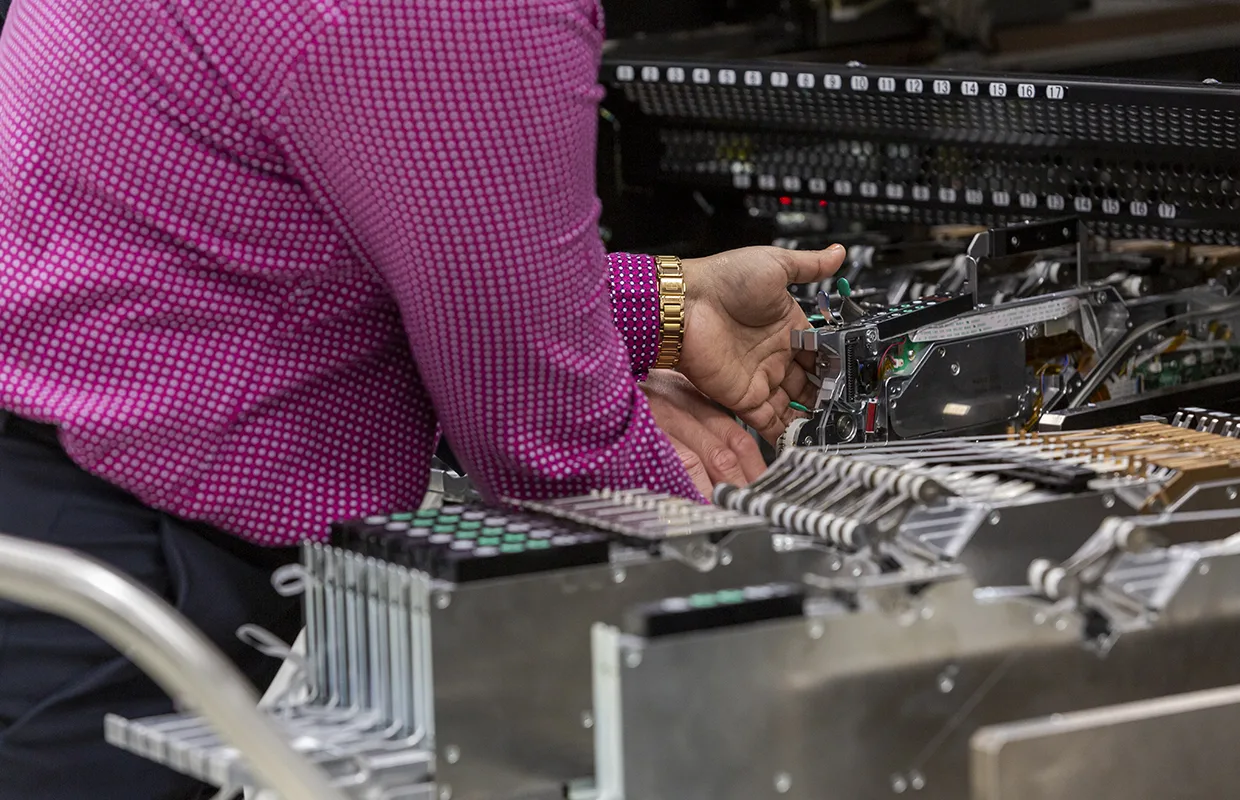
By integrating shop floor equipment with data platforms and analytics tools, Panasonic Connect helps manufacturers gain real-time visibility and control over their operations.
“This ‘cyber-physical’ approach ensures data doesn’t just exist but actively drives smarter decision-making and continuous optimisation. That is what the word ‘Connect’ stands for in our company,” Schumacher reveals.
Given the deep recognition that no two factories are the same, Panasonic Connect works with its customers in a highly collaborative way.
Indeed, rather than offering one-size-fits-all solutions, the company focuses on co-creation – designing tailored systems that align with each client’s operational goals and challenges.
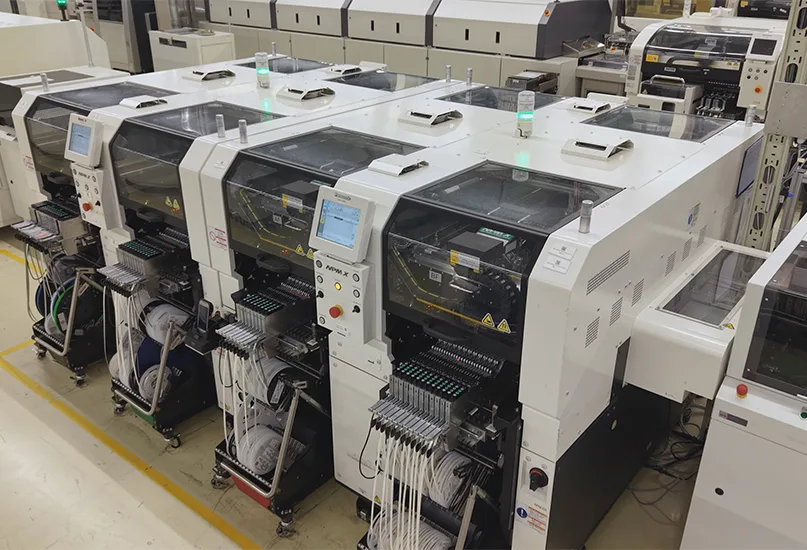
This includes integrating production hardware, deploying smart maintenance systems, enabling predictive analytics, and building fully connected environments.
“The result is a step-by-step transformation journey, where manufacturers can modernise at their own pace whilst delivering measurable improvements in efficiency, quality, and uptime,” he explains.
SELF-OPTIMISATION
As a by-product of the growth of Industry 4.0, autonomous factories represent a major leap forward in manufacturing.
“Their key advantage lies in their ability to self-optimise using real-time data to continuously improve processes, reduce downtime, and enhance productivity. Over time, this leads to significant cost savings through reduced waste, lower maintenance costs, and decreased reliance on manual intervention,” Schumacher explains.
Whilst the initial investment in autonomous factories can be substantial, the long-term return on investment is compelling. Manufacturers benefit from improved resilience, scalability, and consistent product quality.
However, industry challenges still remain, including upfront costs, the need for skilled personnel to manage advanced systems, and ensuring robust cybersecurity.
Despite these adversities, the barriers are steadily being reduced by rising technology adoption, enabling autonomous factories to be key drivers of competitiveness in Europe.
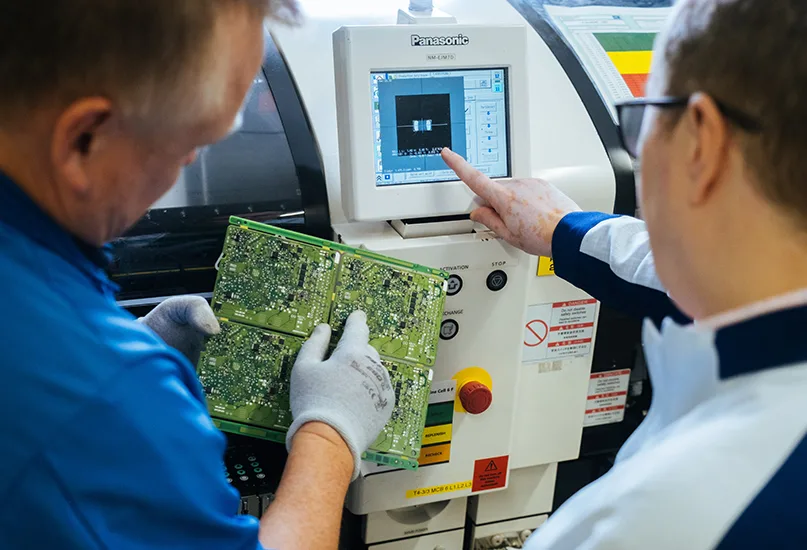
This is particularly the case for high-precision sectors like automotive and defence that demand exceptional quality, traceability, and reliability.
“By enabling faster production cycles, reducing errors, and ensuring consistent output, autonomous manufacturing strengthens Europe’s ability to compete globally. It also supports reshoring initiatives, allowing companies to bring production closer to home without sacrificing cost efficiency,” Schumacher says.
More broadly, Industry 4.0 technologies play a vital role in improving sustainability.
Using real-time data and predictive analytics, manufacturers can optimise energy consumption, reduce material waste, and streamline production processes.
“Autonomous factories can dynamically adjust operations to minimise energy use – whether that’s optimising machine performance, reducing idle time, or improving resource allocation,” he adds.
“In today’s uncertain global environment, the ability to adapt quickly is just as important as efficiency. Autonomous and connected manufacturing systems provide that flexibility, ensuring businesses can continue to operate and grow”
Peer Schumacher, Head of Electronics Manufacturing Solutions, Panasonic Connect Europe
CONNECTING TO TOMORROW
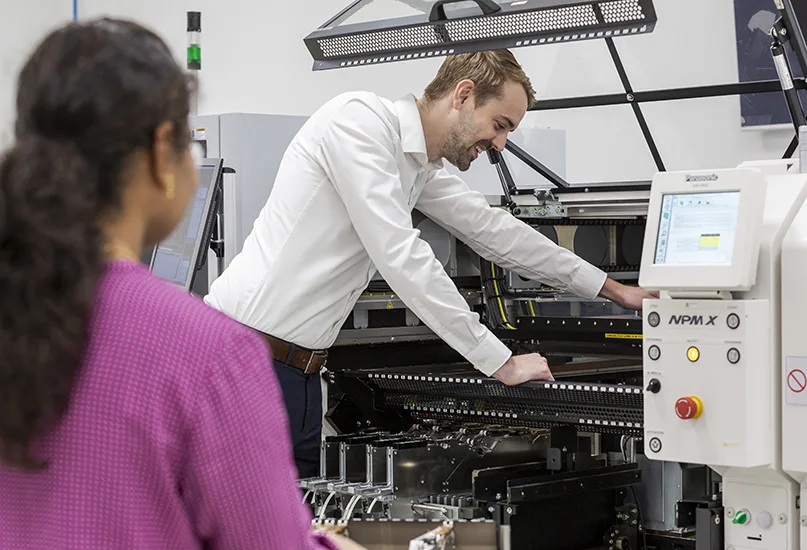
Whilst automation and autonomy continue to be key drivers of progress, people remain central to the success of the global manufacturing landscape.
“The goal is not to replace human expertise but to augment it, freeing employees from repetitive tasks and enabling them to focus on higher-value activities,” Schumacher urges.
Also central to the continued evolution of manufacturing is resilience and versatility.
“In today’s uncertain global environment, the ability to adapt quickly is just as important as efficiency. Autonomous and connected manufacturing systems provide that flexibility, ensuring businesses can continue to operate and grow,” he expands.
Indeed, the electronics manufacturing sector is well-positioned for growth and transformation thanks to a combination of advanced technologies and a strong focus on innovation.
In order for this to materialise, however, key industry challenges need to be addressed, including managing the skills gap across Europe, ensuring interoperability between systems, and maintaining cybersecurity in increasingly connected environments.
Additionally, companies must carefully manage the pace of transformation to ensure successful adoption.
“Despite these challenges, the direction is clear: smarter, more connected, and resilient manufacturing that will define the future,” Schumacher concludes.
This article was produced by the editorial team at EME Outlook and published as part of the Outlook Publishing global network of B2B industry magazines.
Outlook Publishing delivers industry insights, company stories, and sector coverage across manufacturing, mining, construction, healthcare, supply chains, food production, and sustainability.
EME Outlook provides ongoing coverage of organisations and developments shaping industries across Europe and the Middle East.