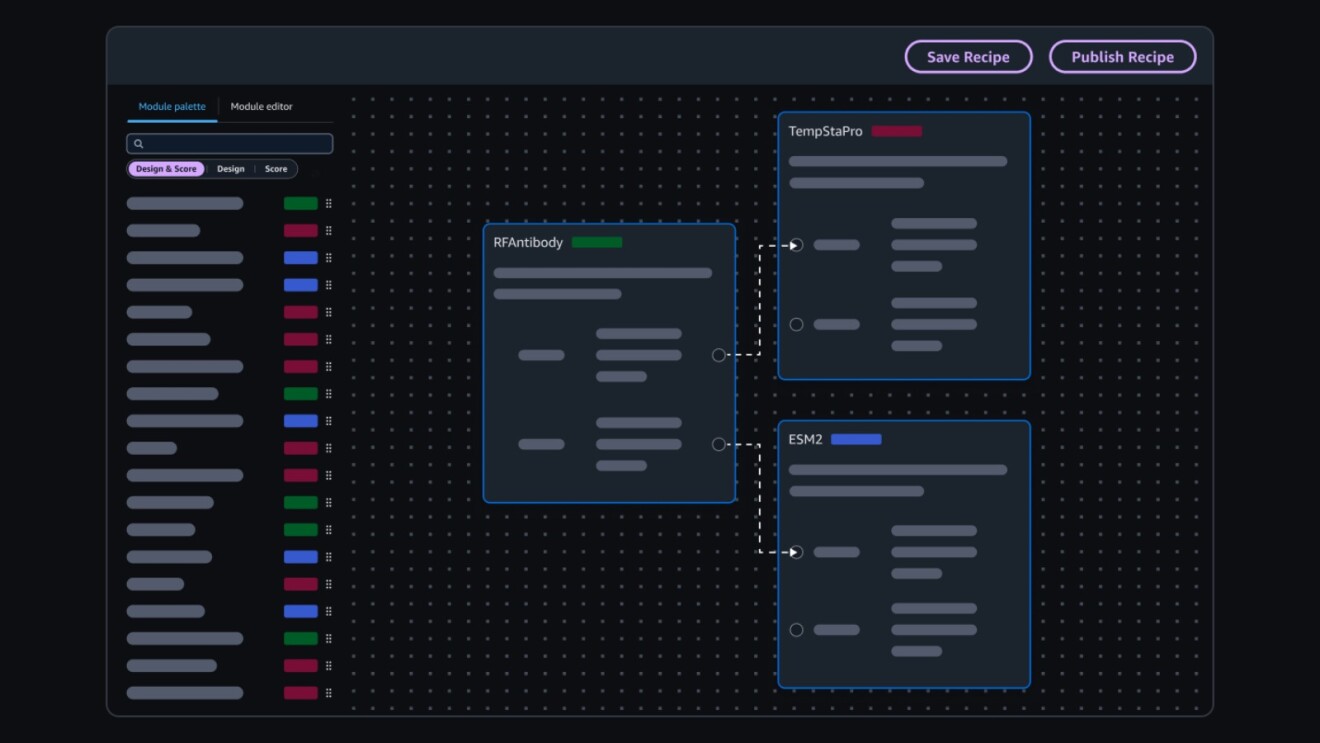




AWS has launched Amazon Bio Discovery, a new AI-powered application designed to help life sciences researchers accelerate drug discovery by combining biological foundation models, agentic AI and integrated lab testing workflows.
Agentic AI designed to simplify drug discovery workflows
The platform is aimed at helping scientists design and test drug candidates faster during the early stages of development, with AWS positioning the application as a way to reduce complexity in AI-powered pharmaceutical research and make advanced computational tools more accessible to scientists without coding expertise.
According to AWS, Amazon Bio Discovery provides researchers with direct access to a catalog of specialised biological foundation models (bioFMs) trained on biological datasets to generate and evaluate potential drug candidates.
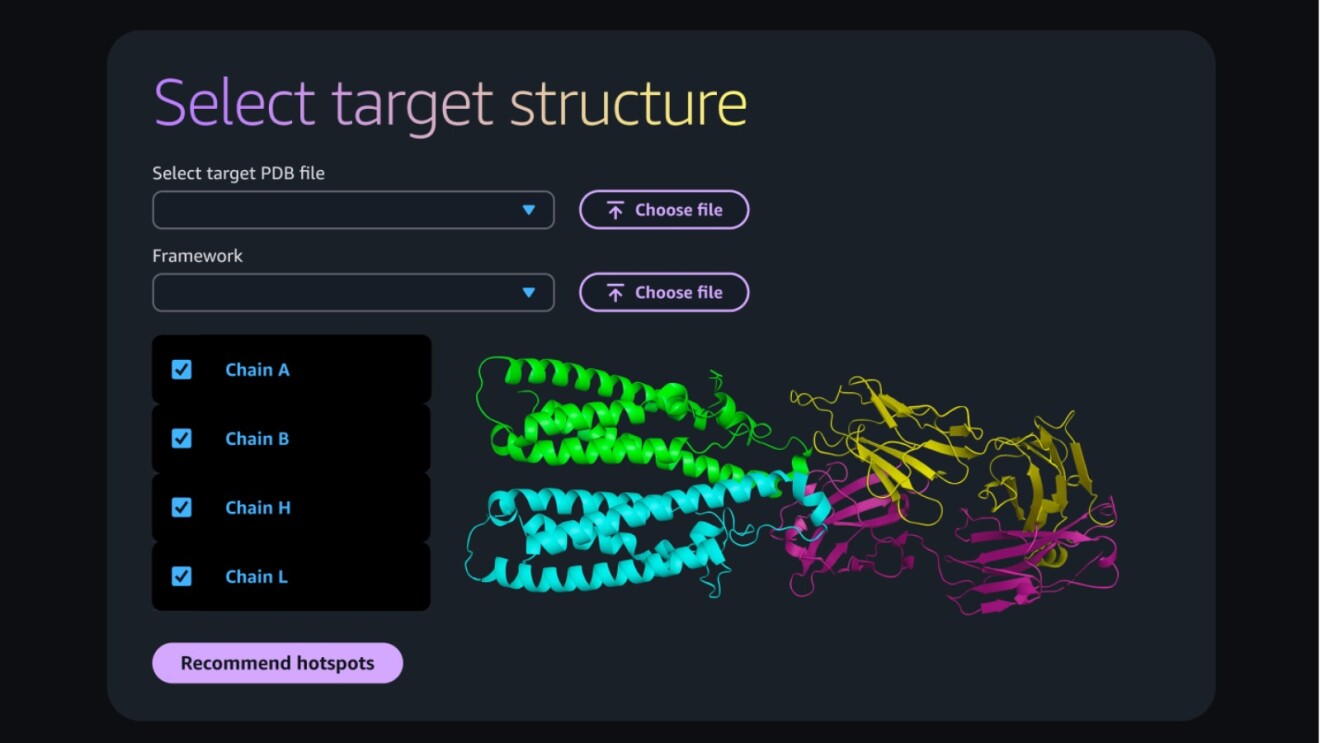
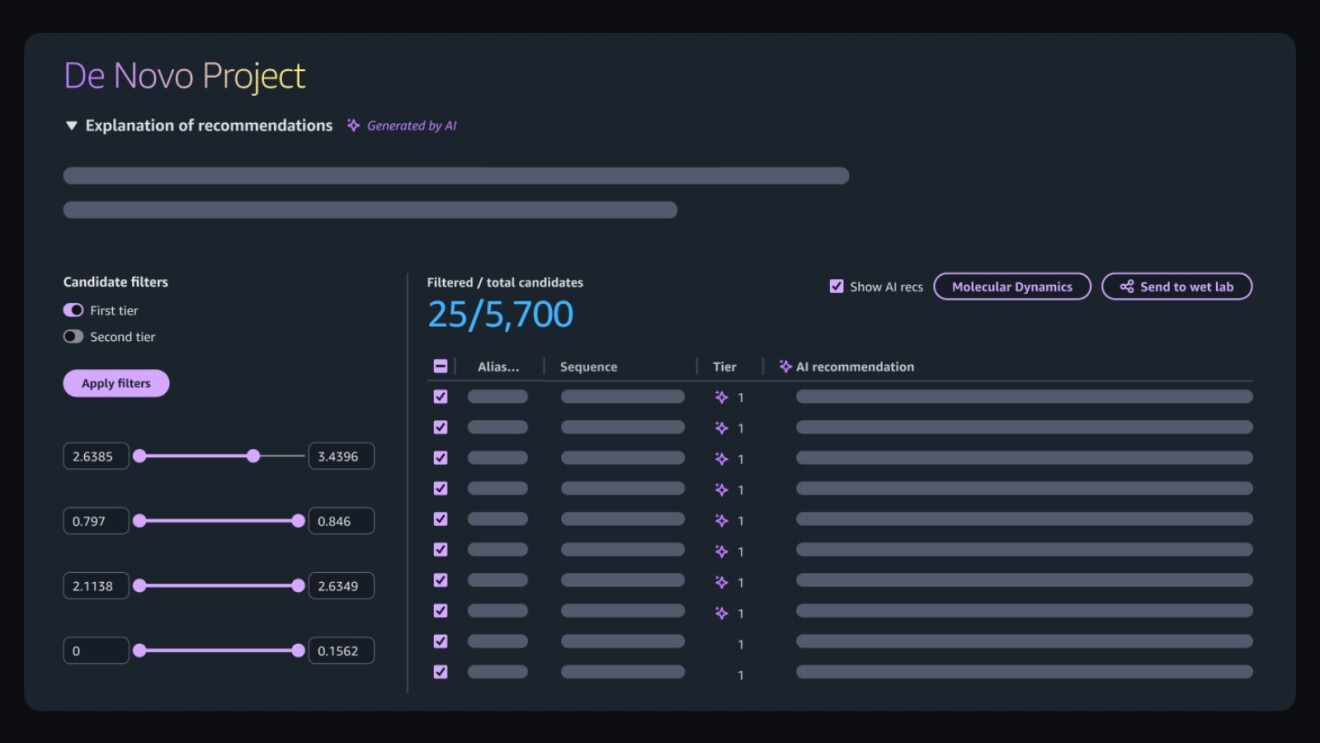
A core feature of the platform is an AI agent that enables scientists to use natural language to guide research workflows, helping users select the right AI models, optimise inputs and evaluate candidates for experimentation.
AWS said the application also allows scientists to train models using prior experimental data from their own organisations, improving prediction accuracy and reducing the number of experimental iterations needed.
“AI agents make powerful scientific capabilities accessible to all drug researchers, not just those with computational expertise,” said Rajiv Chopra, vice president of AWS Healthcare AI and Life Sciences.
“These AI systems can help scientists design drug molecules, coordinate testing, learn from results, and get smarter with each experiment. This combination of cutting-edge AI and the robust, secure infrastructure AWS has built for regulated industries allows scientists to accelerate antibody discovery in ways that weren’t possible before.”
Integrated lab testing closes the experimentation loop
Amazon Bio Discovery includes integrated laboratory partners that allow researchers to send top-performing antibody candidates directly for synthesis and testing.
Partners currently include Twist Bioscience and Ginkgo Bioworks, with A-Alpha Bio expected to join soon.
AWS said test results are then routed back into the platform to create a “lab-in-the-loop experimentation cycle,” allowing each experiment to improve subsequent rounds of design.
The company said the platform is intended to replace fragmented workflows where researchers currently manage disconnected systems, multiple lab partners and manual coordination.
Memorial Sloan Kettering used platform to accelerate antibody design
Memorial Sloan Kettering Cancer Center (MSK) used Amazon Bio Discovery to accelerate antibody design for potential paediatric cancer therapies.
Working with MSK, AWS said the platform designed nearly 300,000 novel antibody molecules, with the 100,000 top candidates sent to Twist Bioscience for testing.
According to AWS, a process that can take up to a year using traditional design methods was reduced to weeks from candidate design through lab testing.
“We’re glad to be able to join forces with Amazon Bio Discovery to develop the next generation of antibodies that will potentially speed up the process to help patients worldwide,” said Nai-Kong Cheung M.D., Ph.D., Enid A. Haupt Chair in Pediatric Oncology at Memorial Sloan Kettering Cancer Center.
“As researchers, we spent 20 years just to prove that the first generation of antibody worked, and then we spent another 13 years getting it into the human form before getting FDA approval. This path has been very inefficient. Patients come here with a clock. We need results sooner.”
Built for enterprise life sciences adoption
AWS said Amazon Bio Discovery is built on infrastructure already used by the pharmaceutical industry, noting that 19 of the top 20 global pharmaceutical companies use AWS for research workloads.
The company said the platform offers enterprise-grade scale, performance, privacy and security, with complete data isolation and customer ownership over proprietary data and intellectual property.
Early adopters include Bayer, the Broad Institute, Fred Hutch Cancer Center and Voyager Therapeutics.