



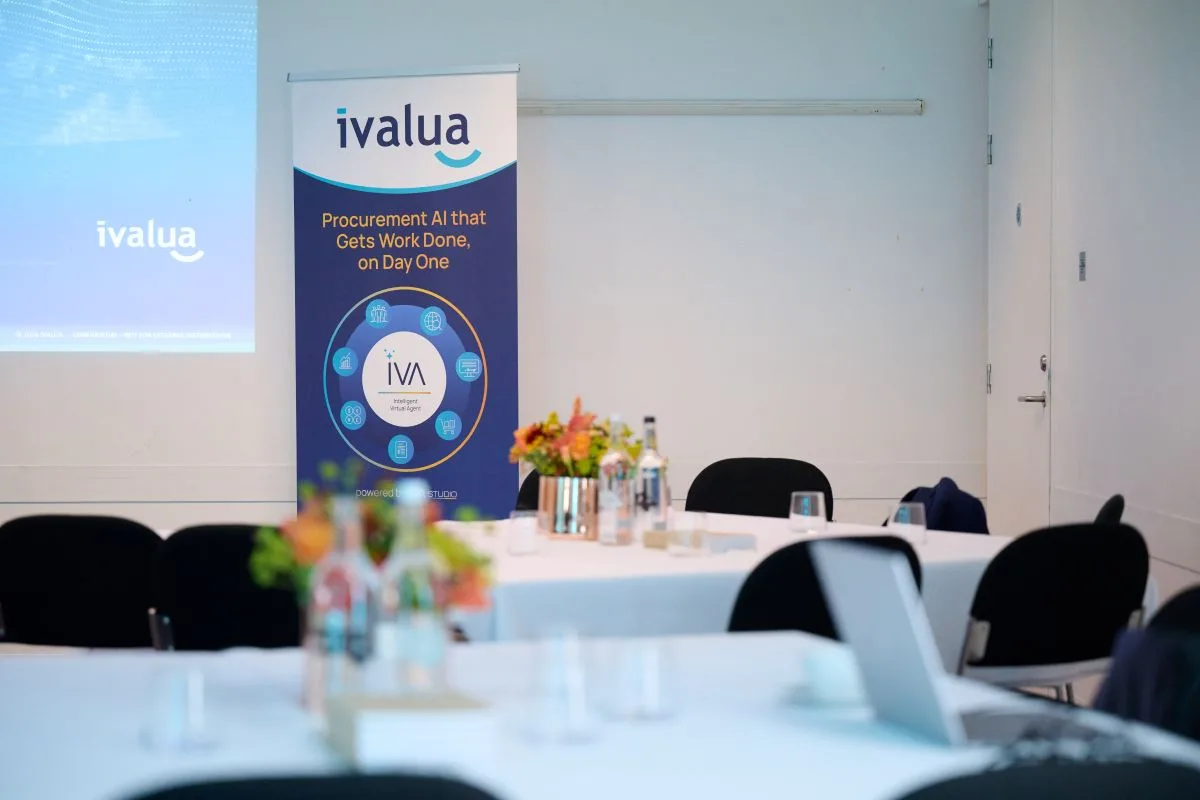
New Ivalua research reveals businesses are quietly cutting quality to manage rising costs, while AI is emerging as the key to building more resilient, transparent, and future-ready supply chains.
THE SILENT SCOURGE
As businesses continue to navigate persistent cost pressures, a new report from Ivalua suggests many are making compromises that consumers may not immediately notice but will ultimately feel.
According to the enterprise AI platform for procurement, more than half (52 percent) of organisations say cost pressures are driving “skimpflation” across their supply chains, with businesses quietly reducing the quality of components or ingredients to protect margins.
The trend is particularly pronounced in the UK, where 64 percent of businesses report experiencing skimpflation – the highest proportion of any market surveyed.
QUALITY TAKES THE HIT
Rather than passing savings directly to customers, many organisations are choosing to preserve profitability by making behind-the-scenes changes.
Ivalua found that 59 percent of businesses have reworked product specifications to reduce production costs, while a further 36 percent have switched to cheaper suppliers or lower-cost goods altogether.
However, these measures are rarely reflected in retail pricing. Among businesses that introduced these changes, only 10 percent lowered prices for consumers.
Instead, 43 percent increased prices, whilst 47 percent left them unchanged, creating a situation where customers are paying the same – or more – for products manufactured to a lower standard.
Alex Saric, Cheif Marketing Officer and Smart Procurement Expert at Ivalua, believes the long-term consequences of these decisions extend far beyond immediate cost savings.
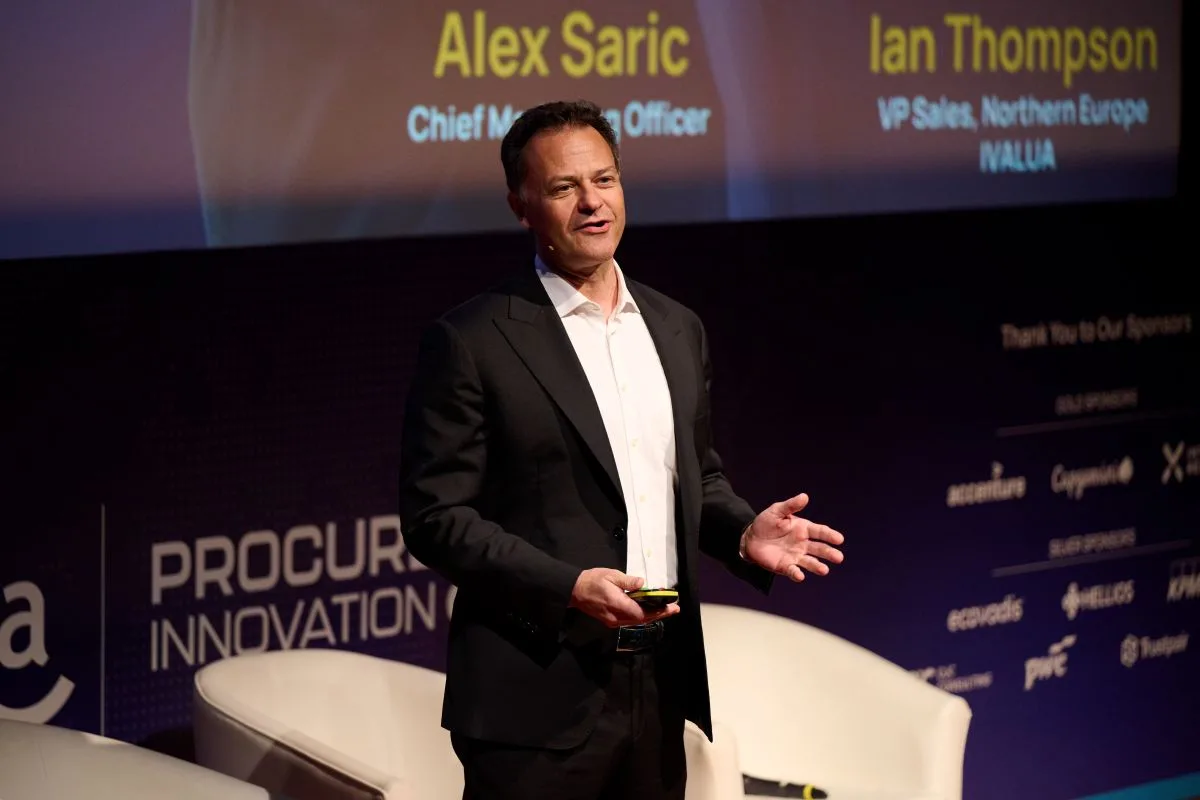
“Skimpflation is the silent inflation. It never shows up in the headline CPI figure, but consumers feel it every time something breaks sooner, wears thinner, or runs out faster”
Supply Chain Outlook in conversation with Alex Saric, Chief Marketing Officer, Ivalua
Saric also warns that businesses risk undermining years of brand-building by prioritising short-term margin protection over product quality, arguing that a single reformulated product or cheaper component can quickly erode customer trust.
PRESSURE ACROSS THE SUPPLY CHAIN
The research suggests businesses are not only creating skimpflation but also experiencing it themselves.
Almost half (49 percent) report seeing similar quality reductions from their own suppliers, whilst 53% have experienced delayed product launches, an issue likely linked to supplier quality concerns, poor collaboration, or disruptions that were not identified early enough.
At the same time, organisations are rapidly reshaping their supplier networks in response to changing economic conditions. During the past year, many businesses have replaced, reduced, or exited suppliers across several key regions, including Eastern Europe (44 percent), China (43 percent), Western Europe, and the UK (40 percent), and the Middle East (32 percent).
According to Ivalua, supplier cost inflation is the biggest driver behind these changes (33 percent), followed closely by shortages of critical components (32 percent) and efforts to reduce tariff and trade exposure (30 percent).
As supplier ecosystems become increasingly complex and dynamic, procurement teams are under growing pressure to make faster, more informed sourcing decisions.
AI OFFERS A WAY FORWARD
To help manage these challenges, businesses are increasingly turning to artificial intelligence.
Ivalua’s research found that 76 percent of organisations are already using or experimenting with AI within procurement, whilst a further 14 percent plan to introduce the technology.
Among existing users, 89 percent say AI has been effective in identifying and qualifying new suppliers and sourcing locations.
Despite this momentum, the report also highlights a significant obstacle to successful AI adoption. Nearly half (44 percent) of respondents acknowledge that their supply chain data is not AI-ready, limiting the technology’s ability to deliver meaningful results.
Saric argues that AI’s effectiveness depends entirely on the quality of the underlying data.

“When businesses can’t see across their supply chain, cost pressure forces their hand. They cut components, switch to cheaper suppliers, and hope customers turn a blind eye,” he says.
“AI changes that by giving procurement teams the visibility to find savings and qualify suppliers before quality problems reach the customer. But it only works on clean, connected data. Run it on spreadsheets and scattered systems, and it doesn’t surface better decisions – it just makes the wrong ones faster.”
For businesses facing rising costs, supply chain disruption, and increasing customer expectations, Ivalua’s findings suggest the solution is not simply to reduce costs, but to improve visibility. With reliable data and AI-enabled procurement, organisations can strengthen resilience, identify smarter savings, and avoid sacrificing quality in pursuit of short-term margins.
This article was produced by the editorial team at EME Outlook and published as part of the Outlook Publishing global network of B2B industry magazines.
Outlook Publishing delivers industry insights, company stories, and sector coverage across manufacturing, mining, construction, healthcare, supply chains, food production, and sustainability.
EME Outlook provides ongoing coverage of organisations and developments shaping industries across Europe and the Middle East.