Lucy Pilgrim is an in-house writer for EME Outlook Magazine, where she is responsible for interviewing corporate executives and crafting original features for the magazine, corporate...
- Deputy Head of Editorial
Share
Six Senses joins “Recipe for Change”, a global initiative by the United Nations Environment Programme and UN Tourism to unite the tourism sector around a shared commitment to halve food waste by 2030.
Luxury hospitality brand Six Senses has joined the United Nations Environment Programme (UNEP) and UN Tourism’s “Recipe of Change” initiative, reinforcing its long-term commitment to reducing food waste across its global operations.
The initiative brings together tourism stakeholders with a shared goal of halving food waste by 2030. For Six Senses, the partnership aligns closely with its existing sustainability strategy and “Eat With Six Senses” culinary philosophy, which focuses on natural ingredients, local sourcing, and a ‘less is more’ approach to dining.
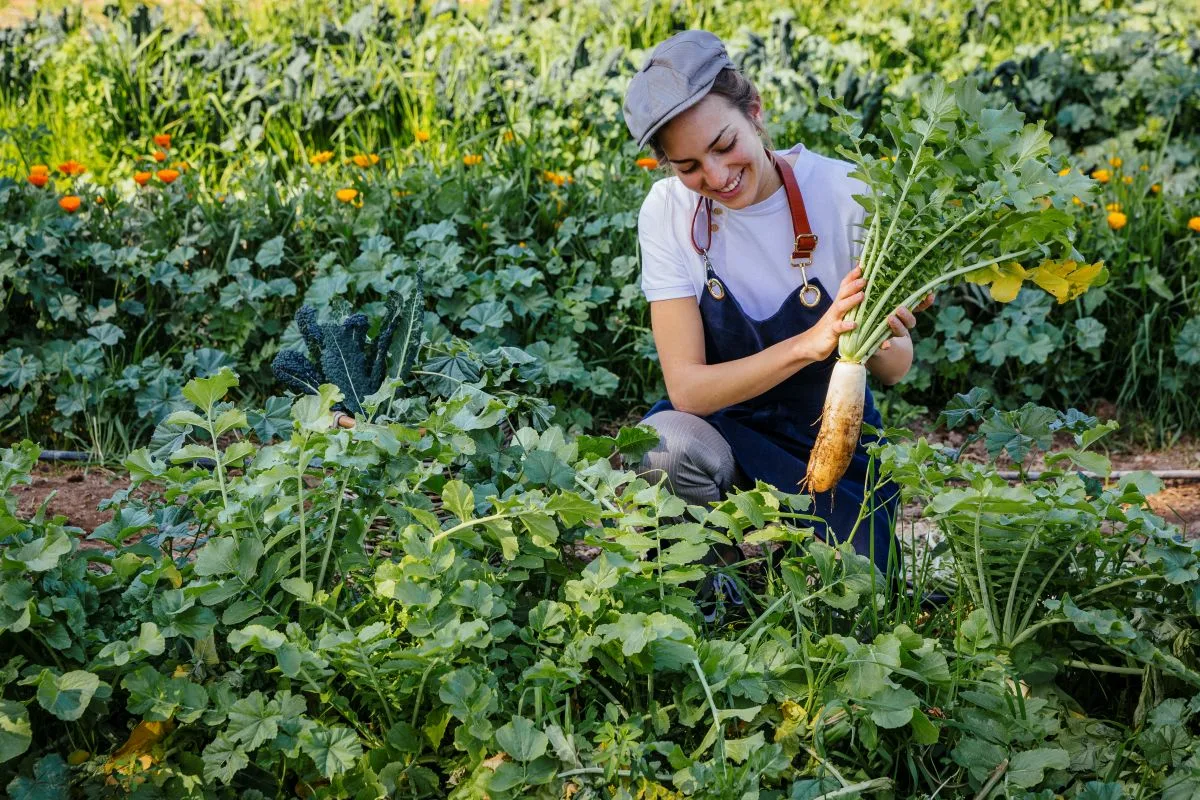
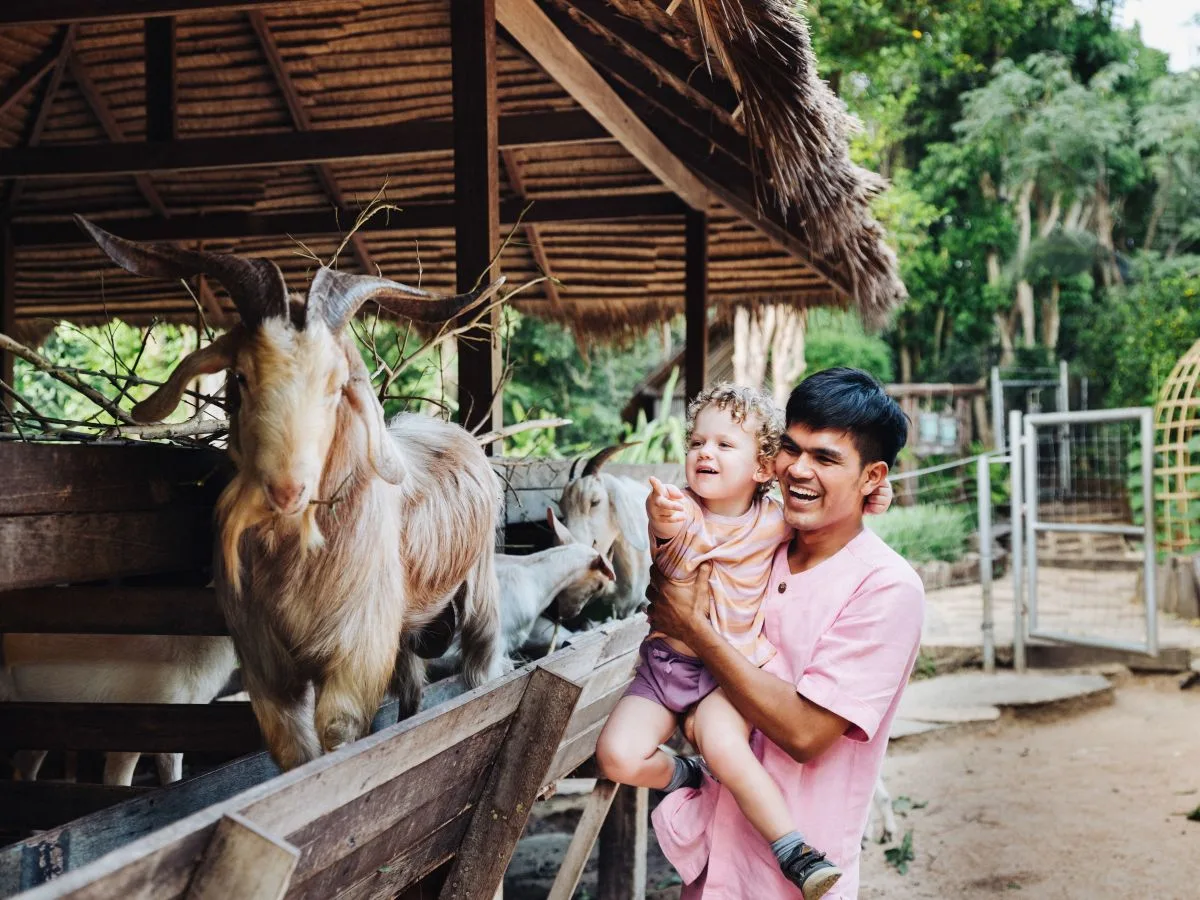
Operating across 27 hotels and resorts in 20 countries, the brand said sustainability has been embedded throughout its operations since its founding in the mid-1990s. Staff across departments, including chefs, gardeners, spa managers, housekeepers, beekeepers, and marine biologists, all contribute to waste reduction and environmental initiatives.
LESS WASTE, MORE TASTE
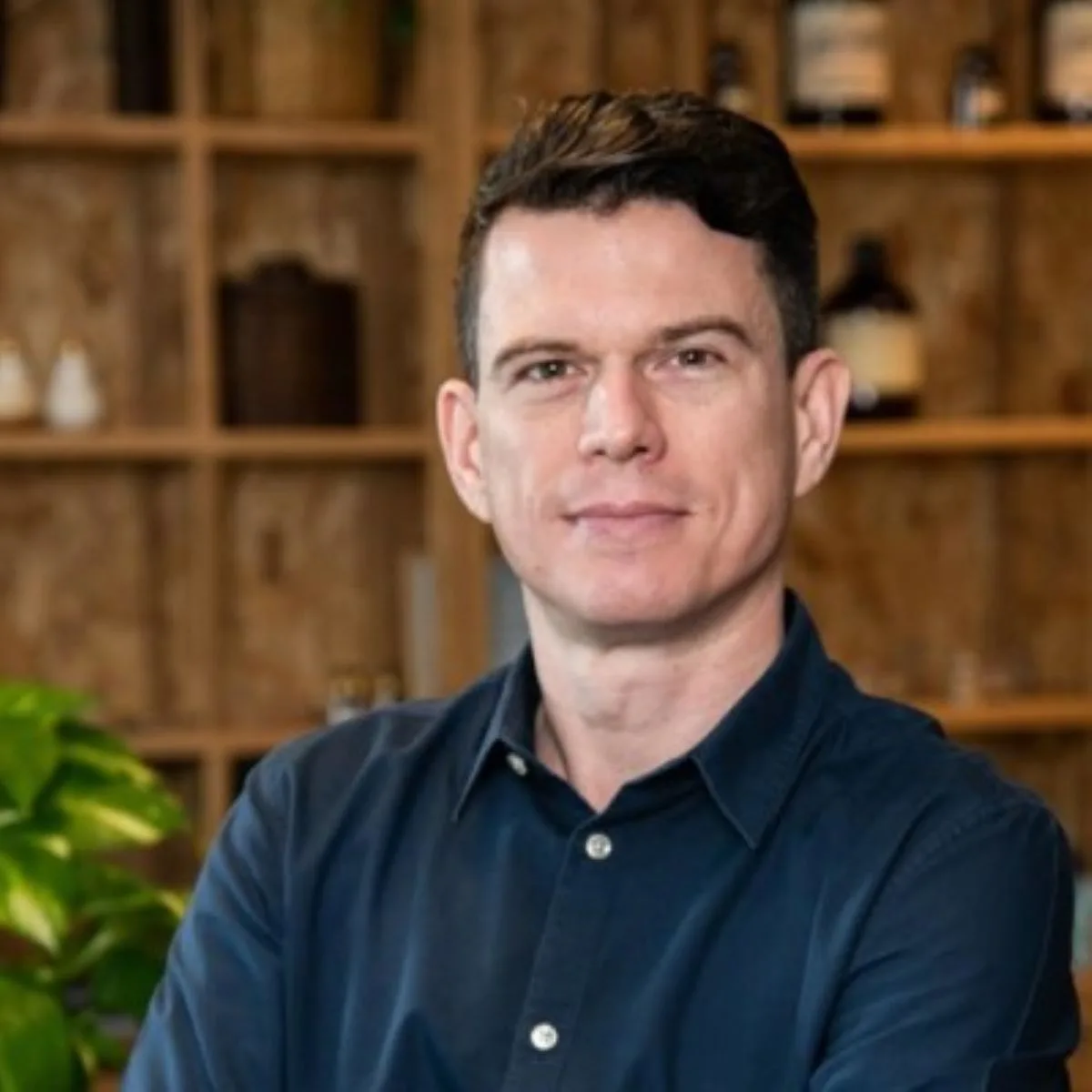
Jeff Smith, VP of Sustainability at Six Senses, comments: “Reducing food waste is a continuous loop that is lived, breathed, and constantly evolving within our hotels and resorts around the world. It begins long before anything reaches the plate and is a true example of the relationship between sustainability and service.
“Over the past 30 years, we have built a clear understanding of what works in practice – from designing waste-conscious, plant-forward menus to the provenance of our produce, right through to returning nutrients to the soil which feeds us.
“The Recipe of Change with UNEP and UN Tourism initiative reflects the collective action needed to accelerate progress. We’re honoured to be part of it and look forward to continuing to learn from others too.”
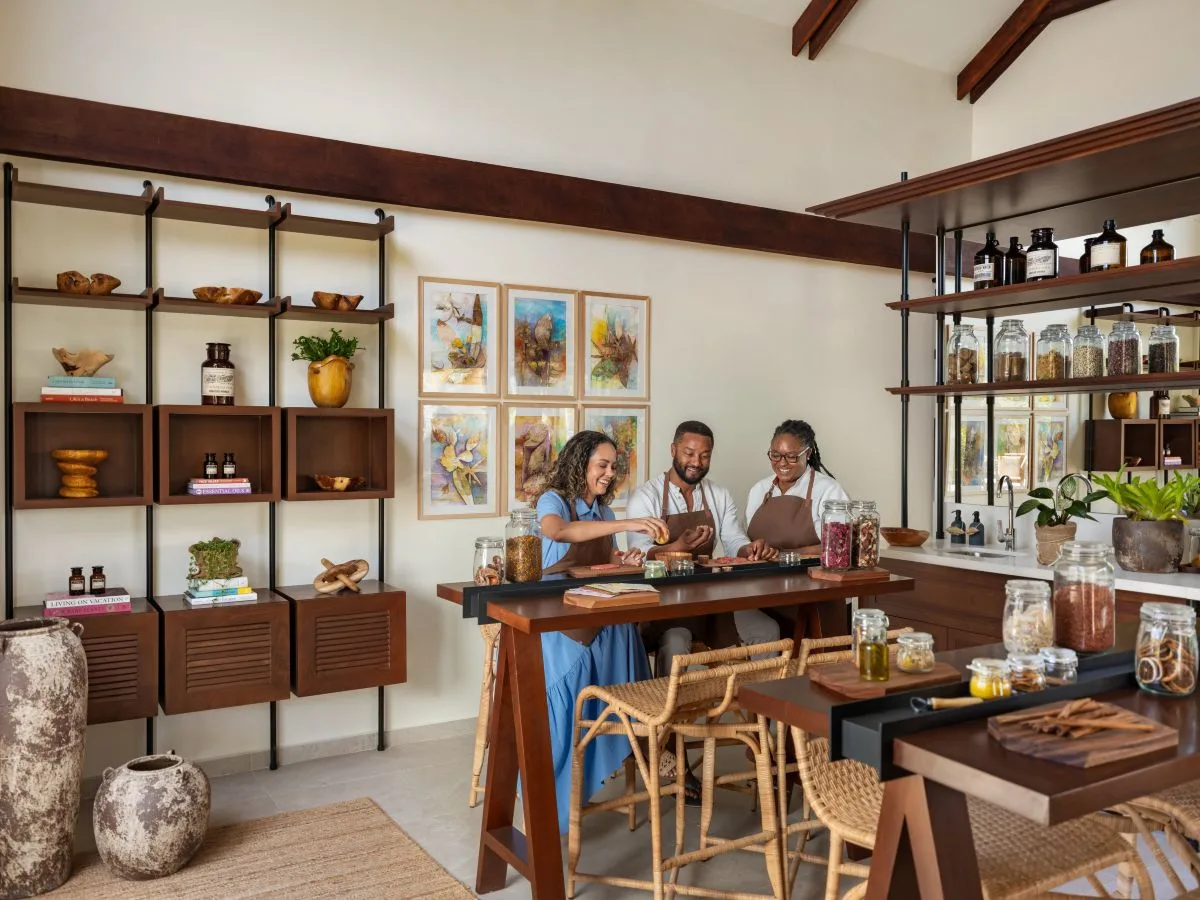
A key part of the brand’s sustainability efforts is its Earth Lab concept, introduced in 2017. Located at all Six Senses properties, the spaces allow guests and staff to engage with practical sustainability activities, including composting and creating products from leftover organic ingredients.
Within its kitchens, Six Senses uses daily waste measurement, occupancy-based production planning, menu rationalisation, and smaller batch cooking to minimise waste. The company also highlighted a number of site-specific initiatives, including the reuse of pineapple, papaya, mango, and avocado waste in Bali and Thailand, and the transformation of citrus peels into garnishes and amenities at Six Senses Zighy Bay in Oman.
LOCAL AND REGENERATIVE APPROACHES
Other examples include the Fermentation Lab at Six Senses London, where surplus kitchen ingredients are repurposed into preserves and fermented products, whilst local farmers supplying Six Senses Rome deliver produce the same day using reusable, plastic-free packaging.
The brand also continues to invest in regenerative agriculture and sustainable sourcing through its farms and marine conservation projects. These include an 18,000-acre farm linked to Six Senses Zighy Bay, the Solar FreshCuts initiative at Six Senses Ninh Van Bay, and marine conservation work in the Maldives involving local fishing communities.
“We welcome Six Senses’ commitment to joining Recipe of Change and advancing action to reduce food waste across the tourism sector. Food waste is both an environmental and economic challenge that requires systemic change.”
Today, all Six Senses properties report on their environmental and social impacts, contributing to certification by the Global Sustainable Tourism Council (GSTC).
By joining the Recipe of Change initiative, the company said it hopes to continue collaborating with industry partners to share knowledge and accelerate progress towards more sustainable tourism practices worldwide.
This article was produced by the editorial team at EME Outlook and published as part of the Outlook Publishing global network of B2B industry magazines.
Outlook Publishing delivers industry insights, company stories, and sector coverage across manufacturing, mining, construction, healthcare, supply chains, food production, and sustainability.
EME Outlook provides ongoing coverage of organisations and developments shaping industries across Europe and the Middle East.
Lucy Pilgrim is an in-house writer for EME Outlook Magazine, where she is responsible for interviewing corporate executives and crafting original features for the magazine, corporate brochures, and the digital platform.