




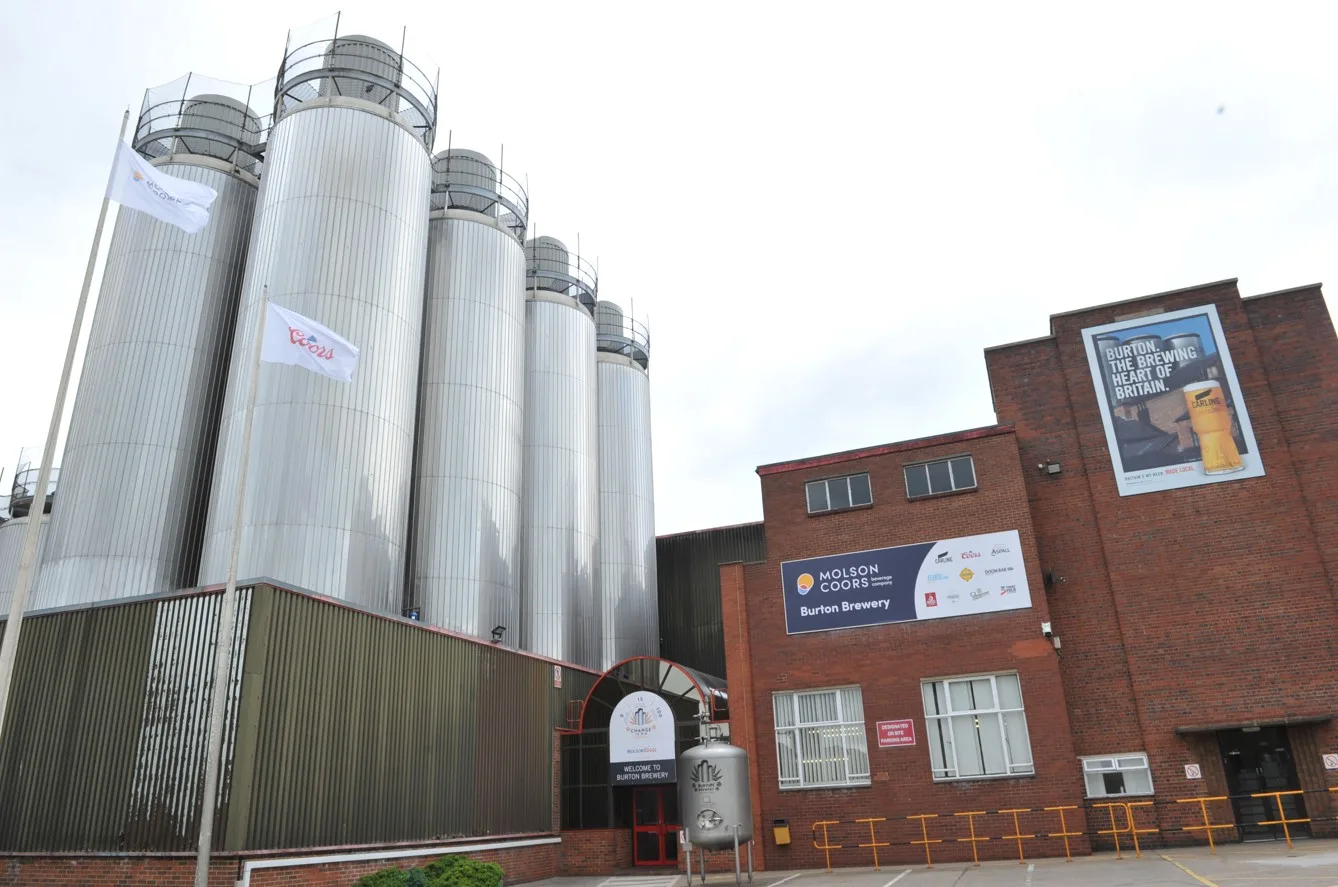
Investing in low-carbon brewing technology
How industrial heat pumps cut brewery energy use
Once fully operational, the technology is expected to reduce heating energy requirements by up to 40,000 megawatt hours annually. This will avoid the creation of thousands of tonnes of combustion-related carbon dioxide, contributing to an estimated 40% reduction in the company’s overall direct carbon emissions.
Neil Haywood, Supply Chain Director for UK & Ireland at Molson Coors, said:
“The installation of these advanced heat pumps is set to significantly modernise our facilities and improve energy efficiency at the Burton Brewery site, helping us to brew our high-quality, much-loved beer brands for the UK market in a more energy efficient way – meeting the needs of our customers. It also marks a crucial step in our sustainability journey, accelerating our progress towards becoming operationally net-zero across all our UK production sites by 2035.”
Government support for industrial decarbonisation
The investment also reflects the UK Government’s push to accelerate industrial decarbonisation and support businesses transitioning to lower-carbon energy systems.
Minister for Investment Lord Stockwood said:
“The UK is a world leader in renewables, so I’m delighted that Molson Coors is leading the way by investing millions to help reduce emissions and supporting our aim to become a clean energy superpower. We’re serious about the benefits of net zero, which is why we’re driving growth into our clean energy sector to attract even more investment and create jobs, boosting economic growth.”
The Burton heat pump installation forms part of a wider investment programme launched in April 2024, when Molson Coors committed £100 million to improving and modernising its production network capabilities.
Renewable electricity already powering UK brewing
Molson Coors has already taken significant steps to reduce the carbon footprint of its brewing operations. In 2021, the company became the first major UK brewer to switch to 100% renewable electricity through a Power Purchase Agreement.
The electricity used to produce more than one billion pints of beer brewed annually in the UK is sourced from 22 wind turbines at the Tween Bridge wind farm in South Yorkshire, located less than 40 miles from the company’s Tadcaster Brewery.
Molson Coors halves Scope 1 and 2 emissions in UK and Ireland
The brewer’s latest investment builds on progress reported in August 2025, when Molson Coors announced it had surpassed its target to halve Scope 1 and Scope 2 emissions across its UK and Ireland operations compared with a 2016 baseline.
The milestone was outlined in the company’s 2025 Our Imprint Report, which detailed progress made during 2024 against its global sustainability targets.
The reduction was driven by a range of operational upgrades across Molson Coors’ brewing and packaging facilities. These included the installation of a new 24-tonne high-speed filler capable of producing 120,000 cans per hour at Burton Brewery, alongside upgrades to packaging keg lines at both Tadcaster Brewery and Aspall Cyder House.
These investments helped streamline canning operations, reducing energy consumption and material waste while improving efficiency across the brewing process.
Sustainable logistics and facilities improvements
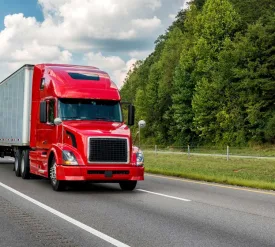
Molson Coors has also taken steps to reduce emissions from its transport operations. In 2025, the company replaced 20 vans in its fleet with plug-in hybrid models and introduced a further four fully electric vehicles.
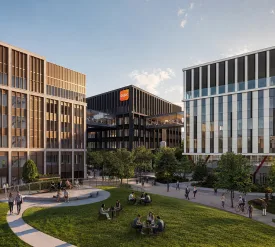
At the same time, the brewer completed work on its new Burton-on-Trent headquarters. The building has achieved an EPC rating of A and incorporates a range of energy-efficient features including LED lighting, low water-use systems and solar panels.
Craig Woodburn, Sustainability Director for Molson Coors’ EMEA APAC division, said:
“Our 2025 Imprint Report demonstrates that sustainability isn’t just about environmental responsibility – it’s about innovation, efficiency, and building a stronger business for the future.
“The progress we’ve made across emissions reduction, sustainable facilities, and operational efficiency shows that our commitment to environmental stewardship is delivering real results while strengthening our connection to the communities we serve.
“The goal now is to continue to expand our sustainability practices and really focus on bringing our people and suppliers with us on this journey.”