




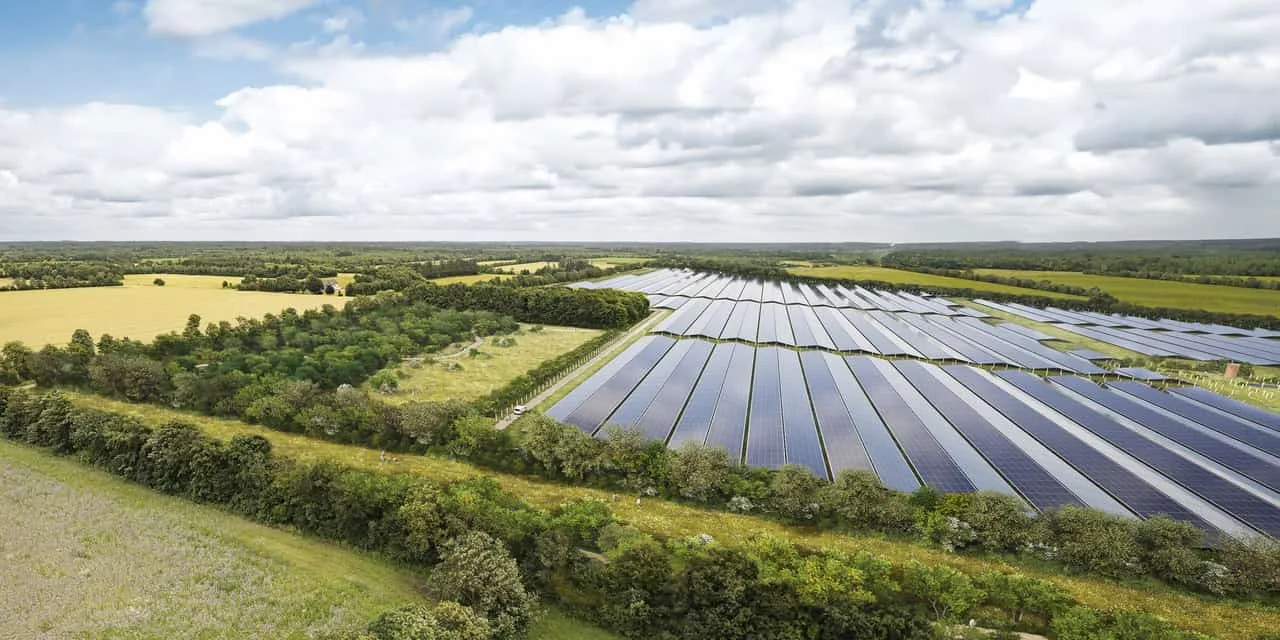
The LEGO Group has started construction on its largest solar park to date near its Billund headquarters, combining renewable energy generation with biodiversity restoration and community spaces. The project highlights how businesses can design climate investments that support both net-zero goals and wider environmental and social value
LEGO Group breaks ground on largest solar park in Billund
The LEGO Group has begun construction of its biggest renewable energy project to date, with a new solar park in Billund, Denmark, expected to generate enough electricity to match the company’s entire local power consumption.
The development marks another step in the company’s long-term climate strategy, illustrating how sustainability investments are increasingly being designed to deliver multiple outcomes beyond carbon reduction.
Once operational in late 2027, the Billund Solar Park is expected to produce approximately 99 GWh of renewable electricity annually, helping the company expand its renewable energy footprint while strengthening the resilience of its energy supply.
The facility will have an installed capacity of 116 MW and a grid connection of 80 MW peak.
A renewable energy investment tied to net-zero ambitions
The project forms part of the LEGO Group’s wider ambition to achieve net-zero greenhouse gas emissions across its value chain by 2050.
The company has been expanding renewable energy capacity through a combination of on-site generation, Power Purchase Agreements (PPAs) and Renewable Energy Certificates (RECs). According to the release, the Billund development alone is expected to increase the LEGO Group’s installed renewable energy capacity by 204% compared with 2025 levels.
Annette Stube, Chief Sustainability Officer at the LEGO Group, said:
“The Billund solar park is an important milestone towards our ambition to expand our renewable energy capacity globally and reduce our greenhouse gas emissions. At the same time, it has been thoughtfully designed to support local biodiversity and provide a welcoming space for the community to enjoy.”

Designing renewable infrastructure with nature in mind
What distinguishes the Billund project from many conventional solar developments is its explicit focus on biodiversity.
While 65 hectares of the site will host solar panels, the remaining 35 hectares will be dedicated to habitats designed to support local ecosystems. Plans include wetlands, open landscapes and water holes intended to encourage wildlife.
Extra biodiversity measures include:
- Installation of bat habitats and nesting boxes
- Planting of grasses, flowers, shrubs and trees
- Landscape design aimed at minimising the visual impact of the solar arrays
Community access built into the project
The Billund Solar Park has also been designed to provide social value to the local community.
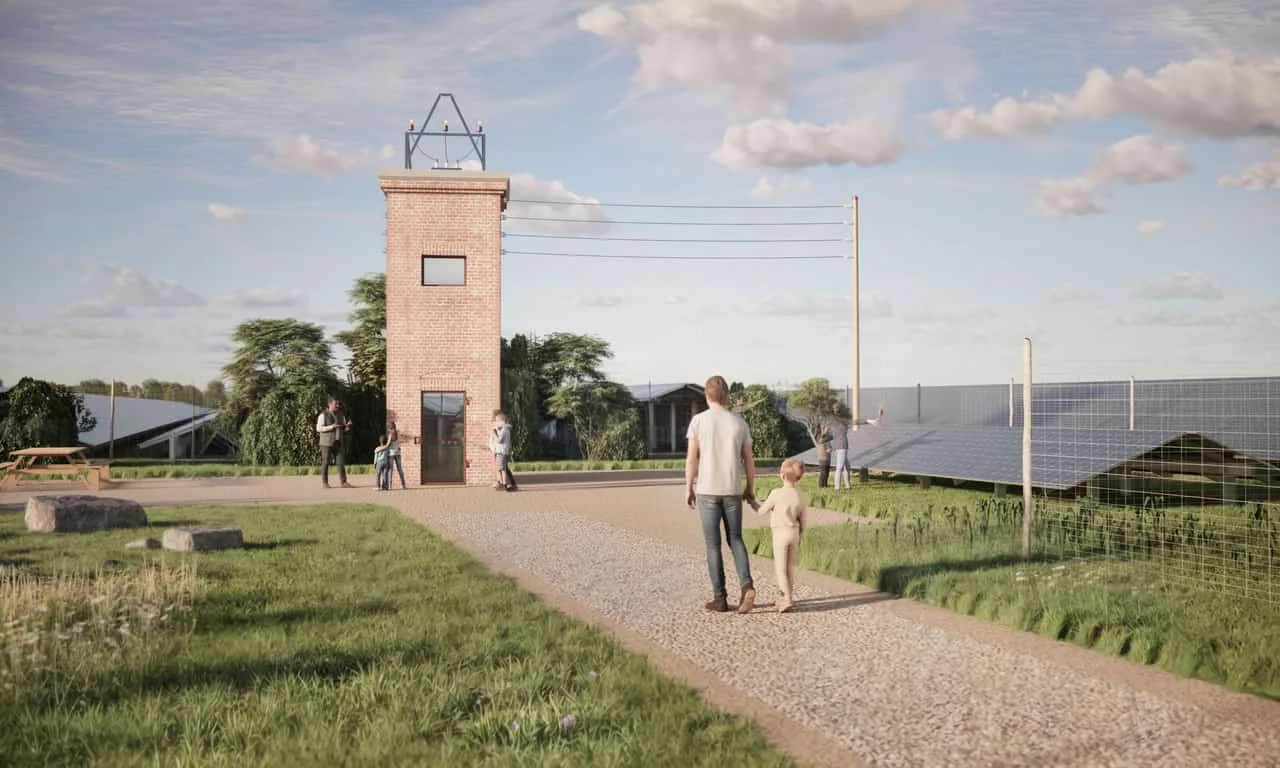
The surrounding natural areas will remain open to the public, creating recreational and educational opportunities for residents and visitors. Planned features include:
- Walking paths and boardwalks through the site
- Educational opportunities focused on biodiversity
- The restoration and repurposing of an existing transformer tower into a small museum space
This article was produced by the editorial team at EME Outlook and published as part of the Outlook Publishing global network of B2B industry magazines.
Outlook Publishing delivers industry insights, company stories, and sector coverage across manufacturing, mining, construction, healthcare, supply chains, food production, and sustainability.
EME Outlook provides ongoing coverage of organisations and developments shaping industries across Europe and the Middle East.