



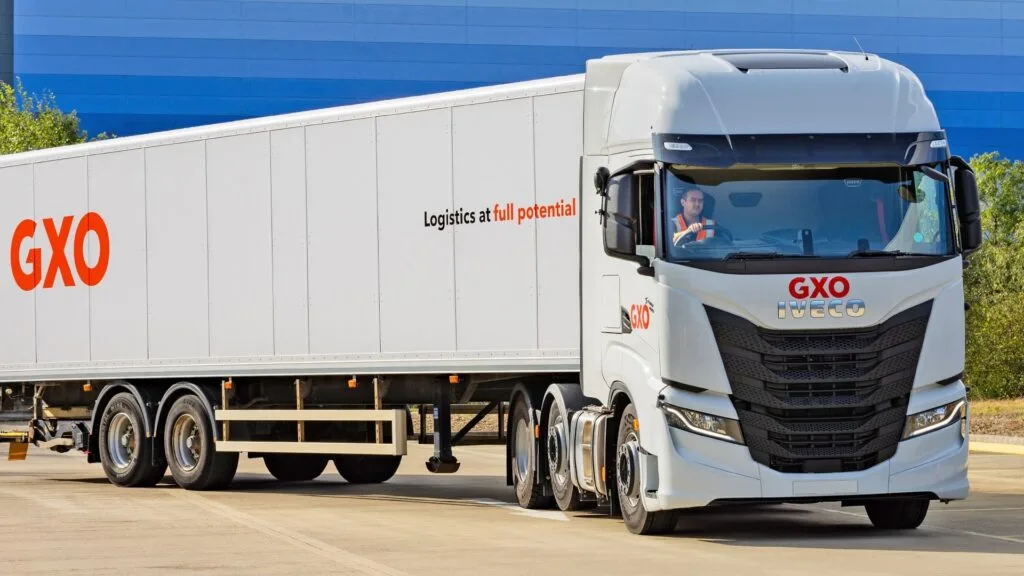
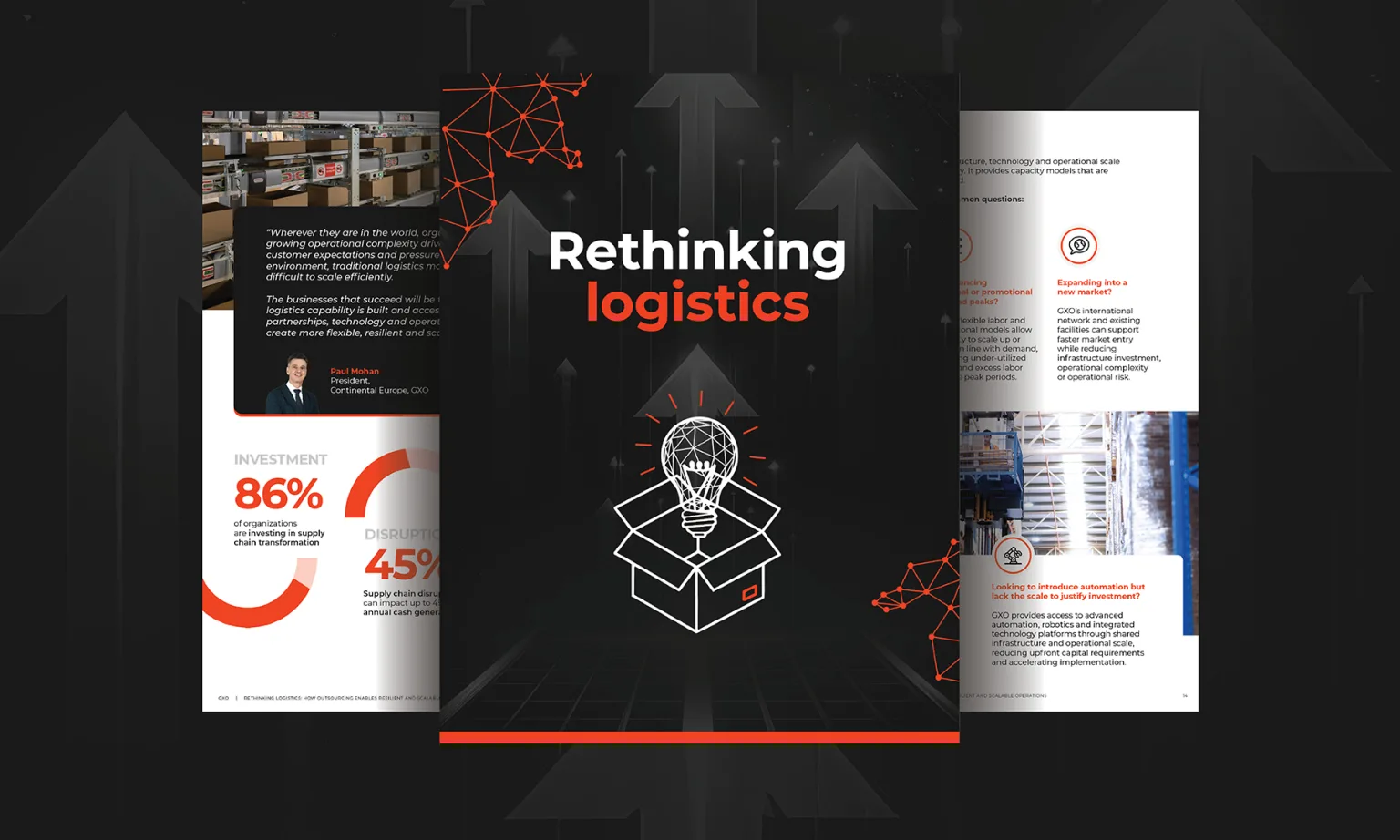
A new GXO Logistics report argues that logistics outsourcing is becoming a strategic tool for improving supply chain resilience, operational flexibility and long-term growth. As businesses face rising complexity, disruption and customer expectations, the report suggests that outsourcing is evolving beyond cost reduction to help organisations build more scalable and resilient operations.
Supply Chain Complexity Is Driving a Strategic Shift
According to GXO Logistics, organisations are managing greater Stock Keeping Unit (SKU) complexity, expanding into new markets, scaling omnichannel operations and responding to rising customer expectations while operating in an increasingly volatile environment. These pressures are exposing the limitations of traditional in-house logistics models, which were designed for predictability rather than flexibility and rapid growth.
The Rethinking Logistics report argues that logistics is no longer simply an operational function, but a strategic capability that influences resilience, customer experience, speed to market and long-term margin performance.
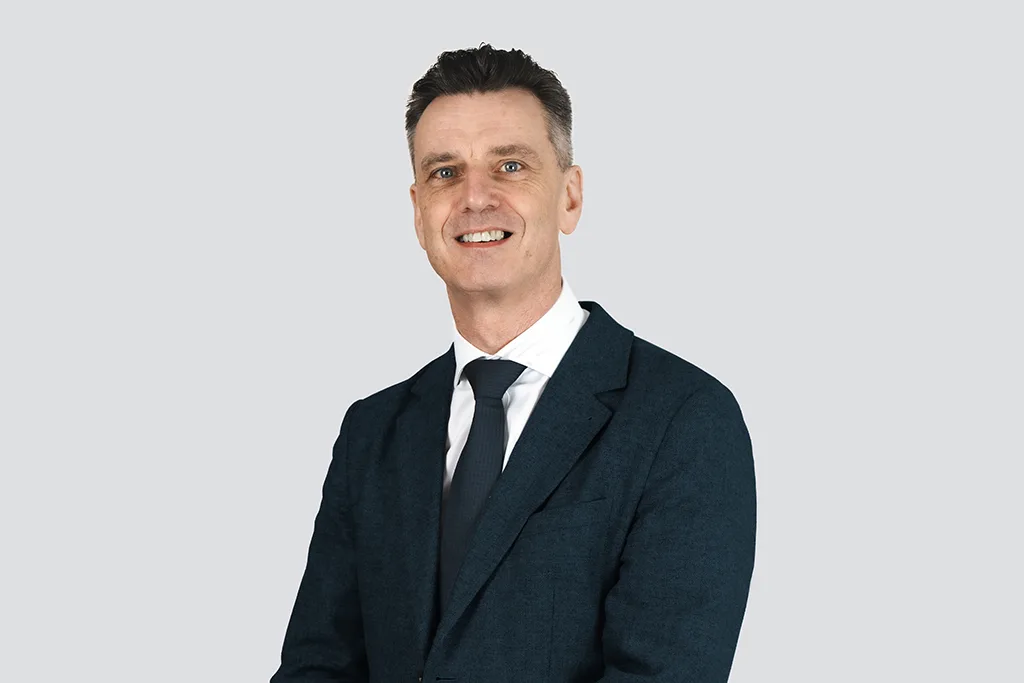
“Wherever they are in the world, organizations are facing growing operational complexity driven by disruption, rising customer expectations and pressure to grow faster. In this environment, traditional logistics models can quickly become difficult to scale efficiently.
The businesses that succeed will be those that rethink how logistics capability is built and accessed using strategic partnerships, technology and operational expertise to create more flexible, resilient and scalable operations,” said Paul Mohan, President, Continental Europe, GXO Logistics.
Outsourcing Moves Beyond Cost Savings
The report positions logistics outsourcing as a strategic business decision rather than simply a means of reducing costs.
GXO Logistics says organisations are increasingly evaluating outsourcing based on its ability to improve resilience, support expansion, align operating costs with demand and reduce the capital investment required to scale logistics operations.
“For many organizations, the most significant impact of outsourcing logistics is not only immediate savings, but the ability to scale without major capital investment, fund expansion more efficiently, improve resilience in uncertain conditions and align cost structures more closely with demand. This shifts logistics from a fixed cost base to a more flexible, strategic component of the business,” said Eric Rougié, Senior Vice President Finance, Continental Europe, GXO Logistics.
The report also states that organisations adopting outsourcing models typically achieve cost savings of 10 to 15 per cent alongside improved operational efficiency and service.
Technology Supports More Scalable Logistics Operations
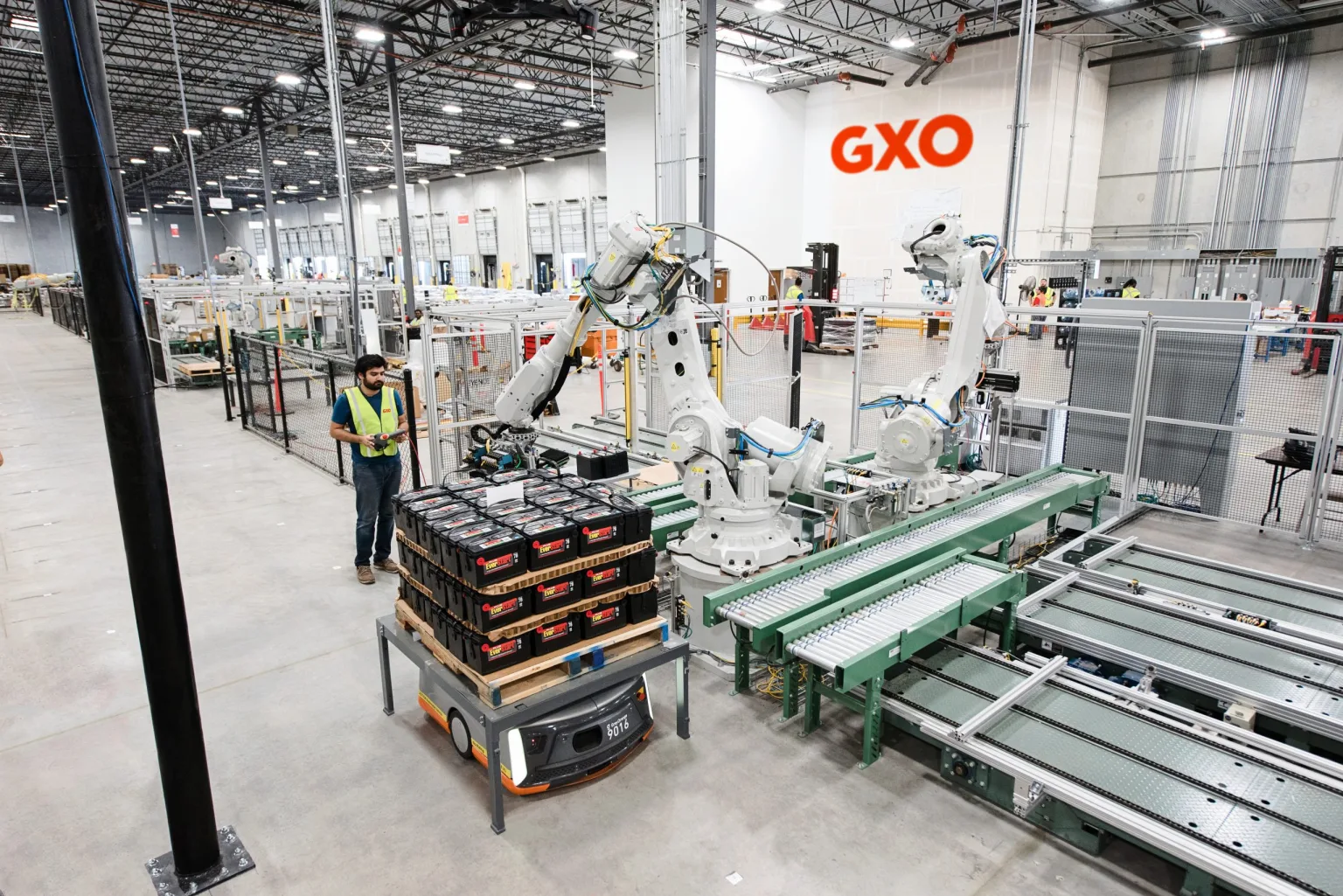
The report identifies technology as a key enabler of more scalable logistics operations.
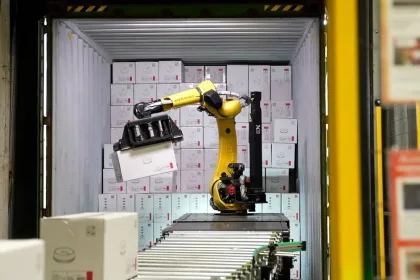
According to GXO, outsourcing provides organisations with access to automation, robotics and artificial intelligence (AI)-enabled operational visibility platforms, alongside operational expertise and workforce flexibility. The report also states that shared infrastructure can provide access to advanced automation, robotics and integrated technology platforms while reducing upfront capital requirements and accelerating implementation.
Maintaining Continuity During Logistics Transitions
The report emphasises that successful outsourcing depends on maintaining operational continuity throughout the transition process.
GXO outlines a structured approach based on stabilising operations, optimising performance and scaling capability, supported by governance, workforce engagement and local execution expertise. The report states that this phased approach helps reduce operational risk while maintaining workforce confidence, governance and customer service continuity.
“What customers are really evaluating when considering outsourcing logistics is continuity. They need confidence that the operation will continue to perform exactly as it should from day one, while people remain informed, supported and engaged throughout the transition and beyond. That’s what reduces risk and creates the foundation for long-term partnership success,” said Steve Wiersma, Vice President Account Management, Continental Europe & UKI, GXO Logistics.
Case Studies Demonstrate Scalable Growth
The report includes examples of organisations that have used outsourcing to support growth and operational resilience.
One case study describes a global apparel retailer that transitioned from an in-house logistics operation to an outsourced model, increasing capacity from 37 million to 55 million units while enabling omnichannel distribution and the progressive onboarding of additional European markets.
A second case study details how GXO assumed responsibility for a European fashion retailer’s logistics operation following an operational shutdown. Approximately 180 employees transitioned alongside operational assets, warehouse management systems and logistics processes within an eight-day implementation window while preserving workforce continuity, operational knowledge and service performance.
The report also highlights a first-time outsourcing project for a leading multi-channel DIY retailer in the Netherlands and Belgium. Following the implementation of a new Warehouse Management System (WMS), the operation achieved a 96 per cent workforce retention rate, improved operational visibility and established a more flexible and scalable logistics platform capable of supporting future retail expansion and continued business growth.
This article was produced by the editorial team at EME Outlook and published as part of the Outlook Publishing global network of B2B industry magazines.
Outlook Publishing delivers industry insights, company stories, and sector coverage across manufacturing, mining, construction, healthcare, supply chains, food production, and sustainability.
EME Outlook provides ongoing coverage of organisations and developments shaping industries across Europe and the Middle East.