



A new industry initiative launched by ERM, Secaro and AstraZeneca aims to tackle one of the most persistent challenges in industrial decarbonisation: reducing emissions from process heat across global supply chains.
- What is the Clean Heat Program?
- Tackling one of the biggest barriers to supply chain decarbonisation
- Combining supply chain intelligence with technical expertise
- Identifying appropriate heat decarbonisation technologies
- Financing and collaboration to accelerate heat decarbonisation
- AstraZeneca joins as founding partner
- Building on broader industry decarbonisation initiatives
What is the Clean Heat Program?
The Clean Heat Program will combine supply chain intelligence, technical advisory expertise and cross-industry collaboration to help companies transition to low-carbon heat solutions at scale.
Industrial heat accounts for around 18% of global greenhouse gas emissions, making it one of the most difficult areas for companies to decarbonize despite growing regulatory pressure and corporate climate commitments.
Tackling one of the biggest barriers to supply chain decarbonisation
Many organisations have set ambitious climate targets, but decarbonising industrial heat remains a major bottleneck.
Companies often struggle to move projects forward due to limited supply chain data, complex technical requirements and difficulties securing financing for new energy infrastructure.
The Clean Heat Program has been designed to address these challenges by combining data, technical analysis and implementation support to help companies identify and deploy practical solutions.
By linking supply chain insights with site-level engineering expertise, the initiative aims to accelerate the rollout of projects that move beyond feasibility studies and into real-world deployment.
Jon Hughes, Partner at ERM, said the programme is designed to bridge the gap between ambition and implementation.
“By combining Secaro’s data and ERM’s technical expertise, we can accelerate the delivery of heat decarbonisation projects that have historically struggled to move beyond preliminary assessment.”
Combining supply chain intelligence with technical expertise
The programme integrates Secaro’s supply chain intelligence platform with ERM’s sustainability and engineering advisory services.
Secaro will provide environmental supply chain data, heat-specific analytics and solution recommendation tools through its network of more than 8,000 buyers, suppliers and solutions providers.
ERM will then use these insights to conduct detailed heat assessments and guide businesses through the next stages of implementation, including:
Identifying appropriate heat decarbonisation technologies
- Developing business cases for investment
- Creating financing strategies
- Supporting site-level project delivery
Emily Prior, Chief Growth Officer at Secaro, said tackling industrial heat is now a strategic business priority.
“Decarbonising heat is now business critical. It is an essential way to protect revenue, reduce exposure to energy price shocks, and stay ahead of regulation and investor and customer expectations.”
Financing and collaboration to accelerate heat decarbonisation
A key component of the Clean Heat Program is access to financing pathways that can help overcome the cost barriers associated with heat decarbonisation projects.
Companies participating in the program will be able to explore funding options including EU-based heat decarbonisation funds and off-balance-sheet financing partners.
The initiative also encourages a more holistic approach to decarbonisation, focusing first on efficiency improvements before transitioning to low-carbon fuels or electrified heat systems.
AstraZeneca joins as founding partner
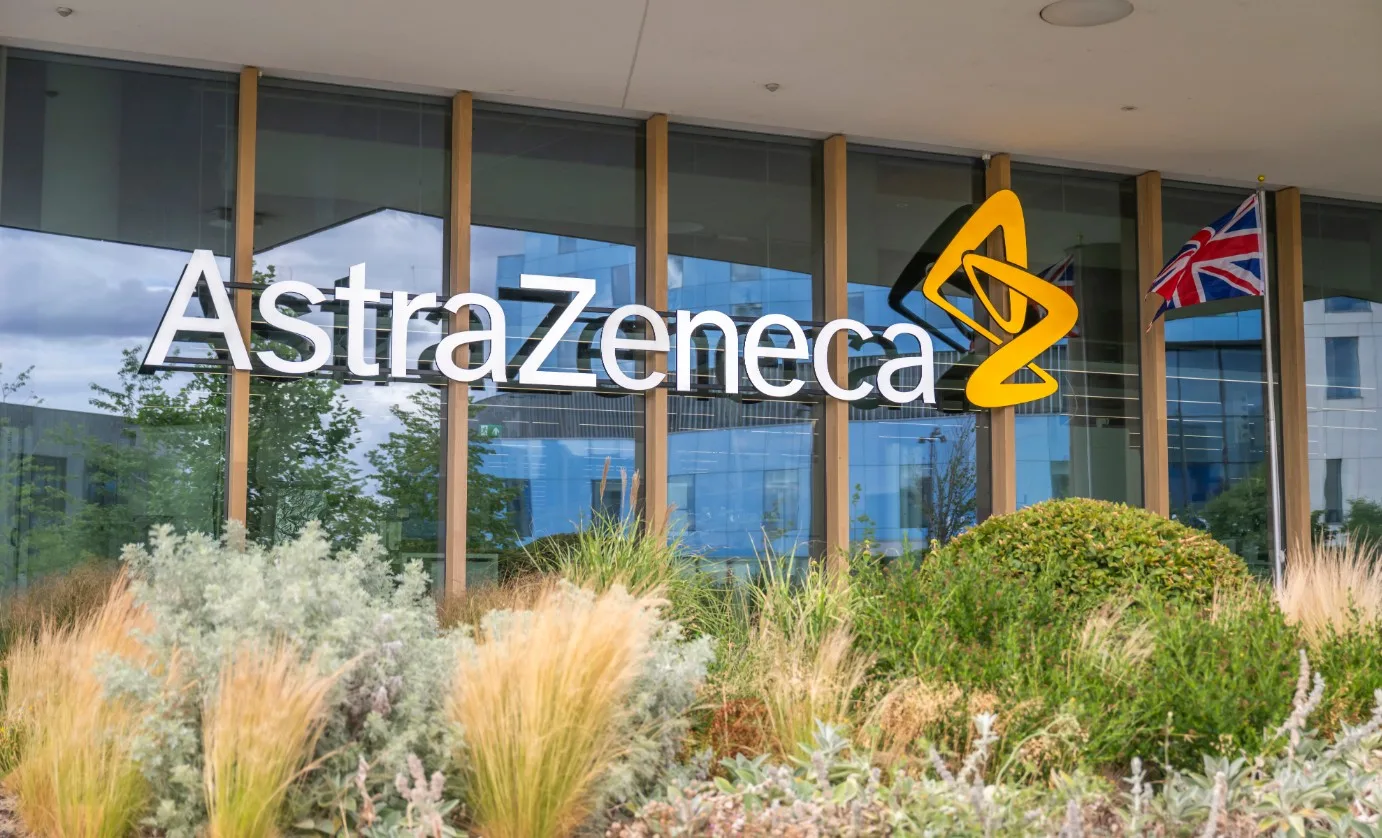
AstraZeneca has joined the Clean Heat Program as a founding partner, working with peers and suppliers to address heat emissions within its supply chain.
The pharmaceutical company will contribute to the development of the program while supporting collaboration across industries to accelerate deployment of decarbonisation projects.
Rob Williams, Senior Director of Sustainable Procurement at AstraZeneca, said collaborative initiatives are essential to addressing supply chain emissions.
“It’s clear that a programme like this is the fastest and most effective way to decarbonise heat in our supply chain. This level of collaboration is essential.”
Building on broader industry decarbonisation initiatives
The Clean Heat Program builds on existing industry collaboration efforts including the Sustainable Markets Initiative, which has been working on supplier education and heat decarbonisation.
The programme will also work alongside initiatives led by the Pharmaceutical Supply Chain Initiative and the Scope 3 Peer Group to support broader supply chain decarbonization efforts.