



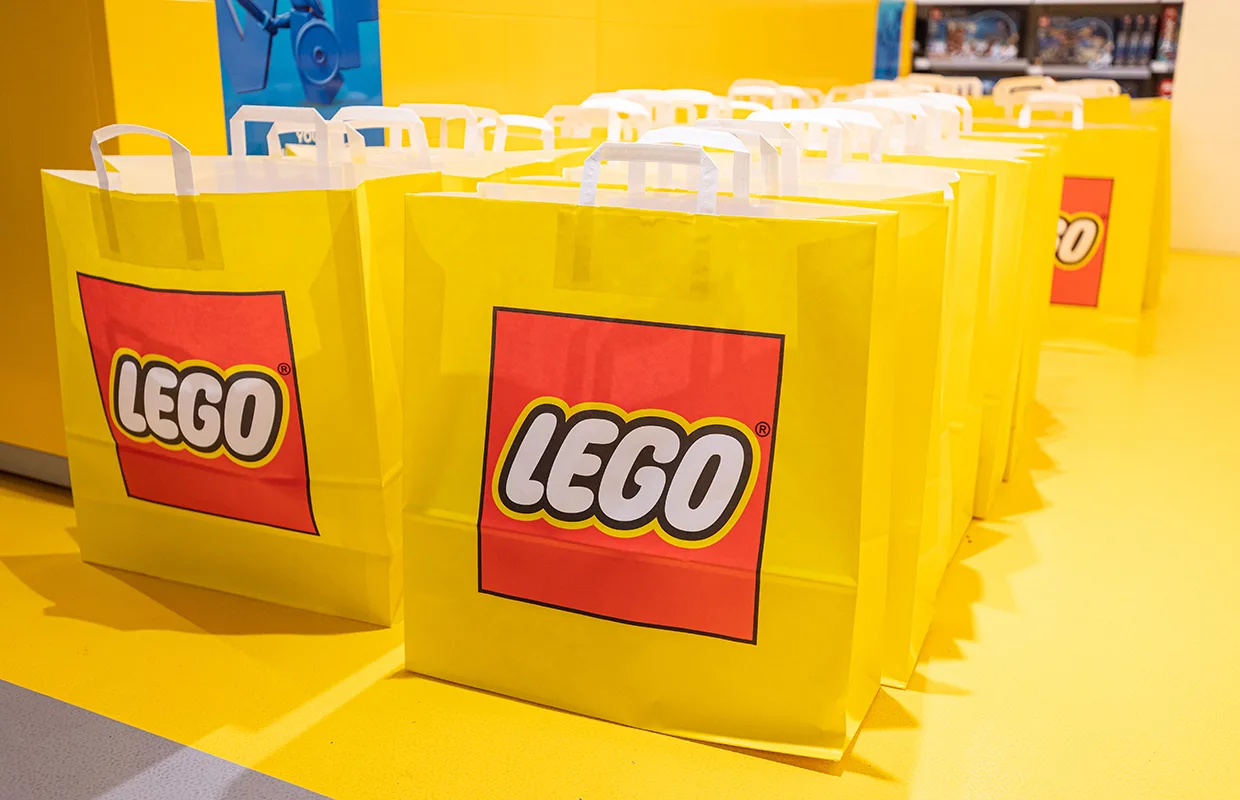
The LEGO Group’s 2025 annual results highlight an increasing focus on sustainability that is key to driving the brand’s growth and elevating its innovative portfolio.
LEGO’S YEAR OF SUCCESS
The LEGO Group (LEGO) has much to celebrate in its 2025 annual results – highlights include 12 percent revenue growth compared to the 2024 financial year. Consumer sales also rose by 16 percent, demonstrating a continued upward trajectory in the toy market.
Niels B Christiansen, CEO, highlights the reasons behind the company’s record performance in 2025.
“Our innovative and extensive portfolio, combined with the strength of the LEGO brand and an effective operating model, drove high demand. We delivered these results by being both creative in product innovation and efficient in operations, bringing LEGO play experiences to more kids than ever before,” he says.
Alongside an innovative portfolio and a significant rise in investment levels, LEGO’s success last year was also underpinned by its commitment to crafting a more eco-conscious industry.
PAVING THE WAY FOR SUSTAINABLE PLAY
LEGO’s report highlights how it increased its total sustainability investments by 20 percent compared to previous years, a figure that is triple the amount invested in 2022.
This rise in capital expenditure meant LEGO bricks and packaging could be made from more sustainable materials.
In fact, for the third consecutive year, the company was able to grow the amount of renewable and recyclable content in the materials purchased to create the bricks, which increased from 33 percent to 52 percent last year.
This was the result of LEGO purchasing more certified mass balance and segregated materials, which meant fewer virgin fossil-based materials were used.
“As we continued to invest in future growth, we brought multi-year strategic investments to life and reached more than half renewable and recycled content in the materials we buy to make LEGO bricks,” Christiansen attests.
What’s more, the company’s total greenhouse gas (GHG) emissions remained at 0.2 percent, whilst its carbon intensity also fell relative to its revenue growth.
Other environmentally driven LEGO projects of note included expanding solar energy coverage, investing in geothermal developments, and pursuing renewable energy power purchase agreements (PPAs).
All this adds up to create a proactive ecosystem of sustainability-driven initiatives.
“We are deeply committed to having a positive impact on the world and the communities we are part of. We do this by aiming to reduce our environmental footprint and improving access to play for kids who need it most, and we will continue to invest significantly to deliver on that ambition,” Christiansen comments.
BUILDING BLOCKS TO GROWTH
LEGO’s annual results also highlighted the success of its largest portfolio to date, which includes over 860 products – approximately half of which were brand-new – that increasingly appeal to a multi-generational market.
Additionally, LEGO’s partnership with Formula 1 (F1) last year attracted a wealth of new consumers, supported by activations at 20+ F1 Grand Prix events and a collaboration with the F1 ACADEMY™, whilst the introduction of new titles and franchises has helped to elevate the organisation.
Impacting more than 11.7 million children through its global social responsibility initiatives, LEGO is dedicated to creating a more sustainable toy market, one brick at a time.