



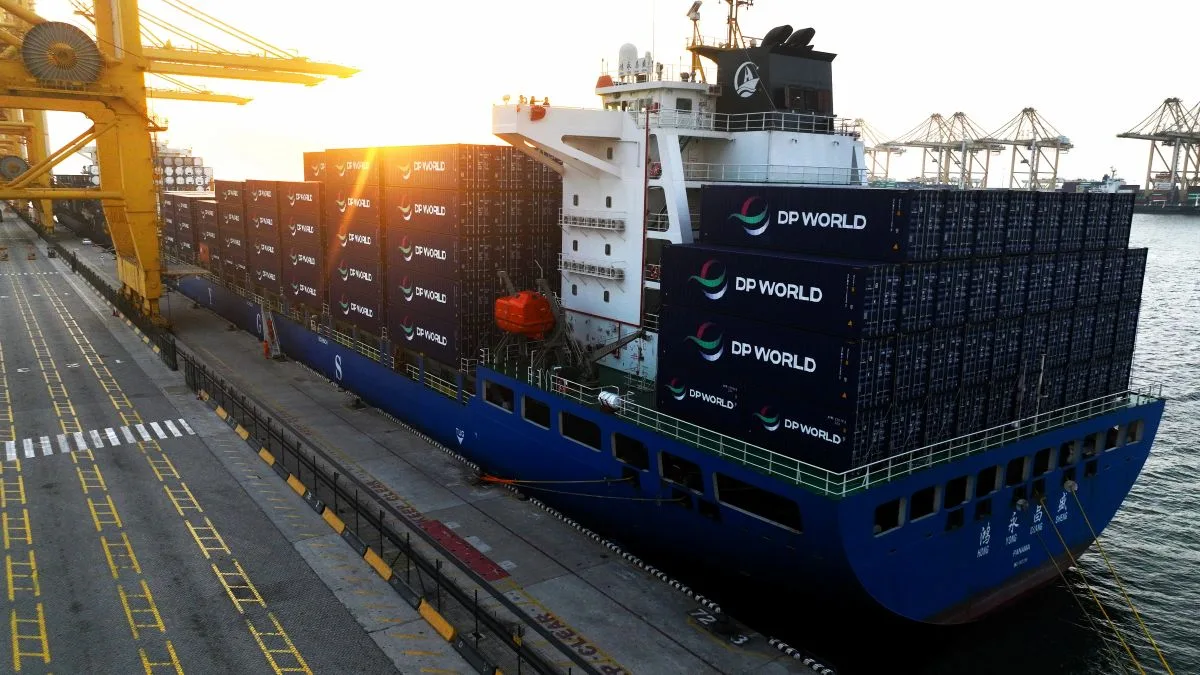
DP World is advancing integrated sea–rail–road logistics networks as supply chains evolve, helping customers improve resilience, visibility, and efficiency amid ongoing disruption across global trade corridors.
MAINTAINING RESILIENT TRADE FLOWS
As global supply chains continue to face mounting disruption, integrated multimodal transport networks are emerging as a critical solution for maintaining resilient trade flows. DP World is responding to these pressures by strengthening the connection between ports, marine services, rail, and road networks across its global operations.
According to the company’s latest whitepaper, A $60.7 Billion Opportunity: Multimodal Transport and the Future of Global Trade, businesses are increasingly prioritising agility, visibility, and operational resilience as geopolitical tensions, port congestion, and climate-related challenges reshape international commerce.
SHIFTING TOWARDS MULTIMODAL NETWORKS
Industry forecasts project the global multimodal transport market will grow to nearly $160 billion by 2032, creating a $60.7 billion opportunity as supply chains move away from traditional linear logistics models towards more connected regional networks.
This transition is accelerating demand for integrated transport systems capable of moving goods seamlessly across sea, rail, and road infrastructure while maintaining reliability from origin to destination.
For DP World, this transformation is already underway. Through its Marine Services business, the company connects more than 200 ports globally and supports over 23,500 sailings annually. Its Shipping Solutions division also handles approximately six million TEU, helping facilitate coastal and feeder shipping services that underpin international trade flows.
These maritime capabilities are increasingly integrated with inland logistics operations, allowing cargo to move more efficiently across key trade corridors through coordinated rail and road connectivity.
BUILDING RESILIENT TRADE CORRIDORS
As supply chains become increasingly shaped by regionalisation, resilience, and speed to market, corridor-based logistics models are gaining strategic importance.
DP World is expanding coastal and feeder connectivity beyond major shipping hubs while simultaneously improving inland access through greater rail and road integration. The company is also increasing coordination across the end-to-end cargo journey to create more unified supply chain solutions for customers operating in complex global markets.
By combining marine services with inland logistics infrastructure, DP World aims to provide customers with more flexible cargo flows capable of adapting to ongoing market disruption.
Ganesh Raj, Global COO, Marine Services, DP World, highlighted the growing importance of integrated logistics ecosystems.
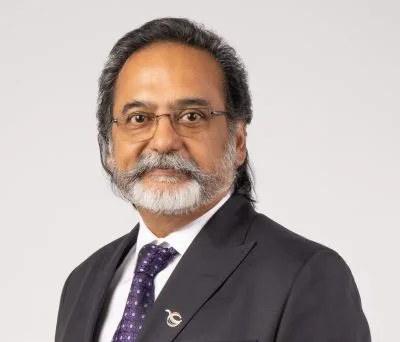
“As supply chains face increasing disruption, the ability to connect ports, marine services, rail, and road into integrated trade corridors is becoming essential. DP World is helping customers maintain reliability and efficiency by enabling more flexible, connected cargo flows across these networks”
Ganesh Raj, Global COO, Marine Services, DP World
REDEFINING GLOBAL TRADE
The company believes multimodal logistics networks will play a defining role in the future of global trade as businesses continue to seek supply chain models that prioritise resilience alongside efficiency.
Through greater integration across transport modes, DP World is positioning itself to support increasingly corridor-driven trade flows while helping customers navigate a rapidly evolving logistics landscape.
This article was produced by the editorial team at EME Outlook and published as part of the Outlook Publishing global network of B2B industry magazines.
Outlook Publishing delivers industry insights, company stories, and sector coverage across manufacturing, mining, construction, healthcare, supply chains, food production, and sustainability.
EME Outlook provides ongoing coverage of organisations and developments shaping industries across Europe and the Middle East.