



We speak with Ian Thompson, VP Northern Europe at Ivalua, about the growing risks of supplier concentration, the importance of end-to-end visibility, and how AI-driven insights are helping organisations build more agile and resilient supply chains in an increasingly volatile global environment.
ENABLING GREATER VISIBILITY
As geopolitical instability, climate disruption, and ongoing pressures on global trade networks continue to reshape supply chains, organisations are being forced to rethink how they source materials, manage supplier relationships, and respond to disruption.
Recent events, including shortages affecting global food and manufacturing markets, have exposed vulnerabilities arising from concentrated supplier networks and limited visibility across increasingly complex operations.
At the same time, many organisations are struggling to turn growing volumes of supply chain data into meaningful action. Fragmented systems, inconsistent information, and slow manual processes often leave procurement teams reacting to disruptions rather than anticipating them.
As supply chains become more dynamic, businesses are increasingly looking to technologies such as artificial intelligence (AI), predictive analytics, and real-time data platforms to improve resilience and accelerate decision-making.
Ivalua is helping organisations address these challenges through its unified source-to-pay platform, enabling businesses to gain greater visibility into supplier networks, assess risk more effectively, and identify alternative sourcing options faster.
Ian Thompson, VP Northern Europe at Ivalua, discusses the importance of contingency planning, the role of AI in modern procurement, and why organisations that embrace intelligent, data-driven supply chain strategies will be better positioned to navigate future disruption.

Recent disruption, including the pistachio shortage, has highlighted the risks of relying on concentrated supply sources. From Ivalua’s perspective, how exposed are organisations today to single-source suppliers, and what are the biggest challenges in diversifying supply networks?
Ian Thompson, VP Northern Europe, Ivalua (IT): In a world filled with unexpected geopolitical shocks, it’s simply not viable to rely on one or two suppliers for sourcing critical components. Whether it’s international conflicts, shortages, or extreme weather, the global supplier landscape is constantly under strain. Organisations can’t afford to pick and choose which risks they plan for.
Instead, they need to create a robust contingency plan, build a diverse network of suppliers with different profiles across multiple regions, and increase supply chain visibility. Only then can they reduce risk exposure and allow for quick pivots in the event of disruption.
But currently, according to Ivalua research, 62 percent of organisations say their supply chains can’t deal with the shifting geopolitical sands. They have more data at their disposal than ever before, but it’s fragmented, inconsistent, and hard to act on.
Poor data quality means there is limited visibility into suppliers and rigid systems that prevent organisations from identifying alternatives and onboarding them at pace.
Ivalua data shows that 23 percent of organisations have replaced suppliers in the Middle East over the past 12 months. What is driving this shift, and how should businesses approach identifying alternative suppliers effectively?
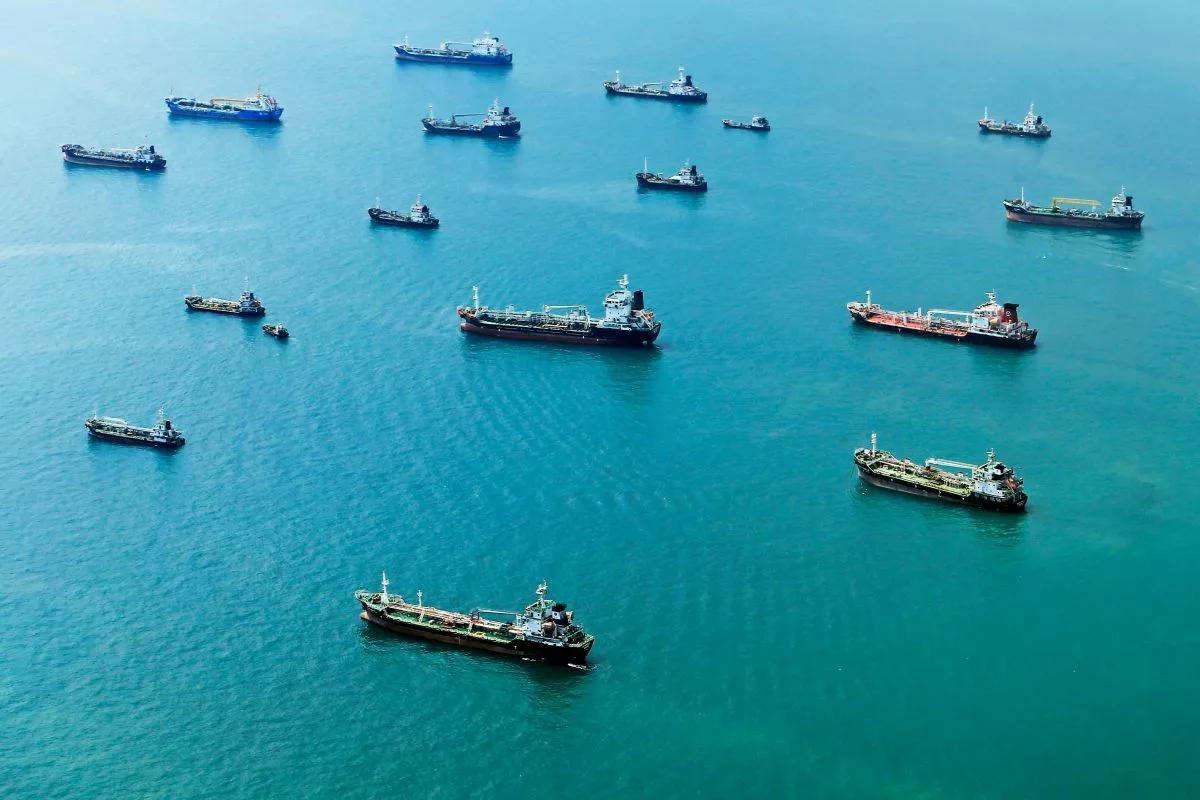
IT: Increasing conflict in the Middle East and disrupted shipping routes through the Strait of Hormuz are making it incredibly difficult to source direct materials that pass through the region. In response, some organisations have shifted out their suppliers for now.
But to maintain supply continuity, quality control, and reasonable costs when pivoting across regions, organisations must have the tools to make informed decisions, or they could face rising costs or supply gaps.
This means being able to strategically source suppliers based on cost, risk, and their capacity to contribute to the organisation’s wider objectives, such as quality controls or sustainability goals. Only then can organisations maintain continuity without exposing themselves to added risk.
Contingency planning is often discussed but not always implemented. How does Ivalua define a robust, practical contingency plan in today’s volatile supply chain environment?
IT: Traditionally, teams relied on manual processes and Excel spreadsheets to manage their sourcing and would base their contingency plans on this information.
Alternatively, they used risk solutions that tended to focus on specific types of disruptions to provide event notifications. But these methods are too slow and limited in today’s broad environment of geopolitical tensions, tariff wars, and climate-driven disruption.
Ivalua focuses on uniting supply chain data and using AI to pinpoint realistic alternative sourcing options in an instant or anticipate disruptions before they happen. Predictive analytics and scenario modelling help procurement teams anticipate potential supply shocks, evaluate alternatives, and act with speed.
Visibility is frequently cited as a critical factor in building resilience. How does Ivalua enable end-to-end supply chain visibility, and how can this help organisations anticipate and respond to disruptions more effectively?
IT: Ivalua has built a truly unified source-to-pay platform, gathering data from the organisation, third parties, suppliers, and stakeholders to create a single source of truth for spend and risk management.
With this complete visibility, organisations can govern all spend and supplier information from one place, setting up intelligent workflows that will improve decision-making and reduce risk.
Looking ahead, as AI becomes a critical component of supply chain resilience, this architecture ensures AI can connect data, follow organisational rules, and provide procurement teams with insights and recommendations to respond to disruptions effectively.
How are new technologies such as AI transforming supply chain management, particularly when it comes to predicting risk and enabling faster decision-making? Looking ahead, why will businesses that embrace these tools be better positioned?
IT: Many organisations are already using basic AI copilots to assist with drafting queries and routine supplier communications.
In practice, generative AI (Gen AI) and Agentic AI enable procurement teams to perform instant risk assessments and develop mitigation plans during supply chain disruptions, significantly reducing response time. This will also free up teams to focus on higher-value activities such as risk analysis, relationship-building and developing strategies that enhance supply chain resilience and agility.
The next phase of development will see AI agents working proactively and more autonomously within the procurement process, with the organisations that can achieve this first gaining a serious competitive advantage. For example, agents can help procurement professionals to instantly analyse spend patterns for existing suppliers or model how supplier failures could affect production or revenue.
However, AI’s reliability depends on the quality and consistency of the data on which it’s grounded. Armed with the right context and clear recommendations, procurement teams can make more effective decisions in times of crisis.
This executive interview was produced by the editorial team at EME Outlook, a publication within the Outlook Publishing global network of B2B industry magazines.
Outlook Publishing features leadership insights and company stories from organisations shaping sectors including manufacturing, mining, construction, healthcare, supply chains, food production, and sustainability.
EME Outlook explores the organisations, leadership teams, and industries shaping business and innovation across Europe and the Middle East.