



Taking action today for the beverages of tomorrow, Finlays – a global supplier of tea, coffee, botanical, and fruit-based ingredients and solutions – has released its 2025 Sustainability Report.
CREATING MEASURABLE IMPACT ACROSS THE VALUE CHAIN
With climate change continuing to reshape agricultural reality through droughts, heatwaves, and unpredictable rainfall, reducing yields and impacting supply, 2025 was another year shaped by volatility for the global beverage industry.
As reported in Finlays’ 2025 Sustainability Report, this past year has made it more evident than ever before that it is time for the sector to ‘take action for the beverages of tomorrow.’
The report tracked Finlay’s progress against its Sustainable Future 2030 strategy, which sets ambitious commitments on the three core areas of climate net zero, sustainable supply, and the company’s people. It made significant progress towards these goals by reducing emissions, optimising water use, and further minimising waste.

“Climate change is already having a major impact across our supply chain — piling pressure on producers, threatening supply and ultimately driving up costs for consumers. Through Finlays’ Sustainable Future 2030 strategy, we see firsthand how collaboration between producers, suppliers, buying teams and industry bodies can mitigate these effects. By sharing insight, unlocking investment, and delivering shared initiatives, we can build resilience where it’s needed most,” notes Joe Yalley-Ogunro, Head of Sustainability.
Specifically, in 2025, Finlays experienced significant business growth. The company acquired Leahy-IFP, a leading aseptic packer and formulator of natural fruit-based beverages, which has doubled the size of Finlays’ business in North America.
Not only does this add to the company’s footprint, but in tandem, it increases the complexity of its supply chain and the number of people connected to the business.
However, whilst the challenge may be substantial, Finlays is confident in its ability to deliver a more sustainable future for the beverage industry by prioritising the practice of its core values: ‘Acting for the Long Term’, ‘Taking Accountability’, ‘Doing Better Each Time’, and ‘Succeeding Together’.
PROTECTING THE PLANET TO SAFEGUARD NATURAL BEVERAGES
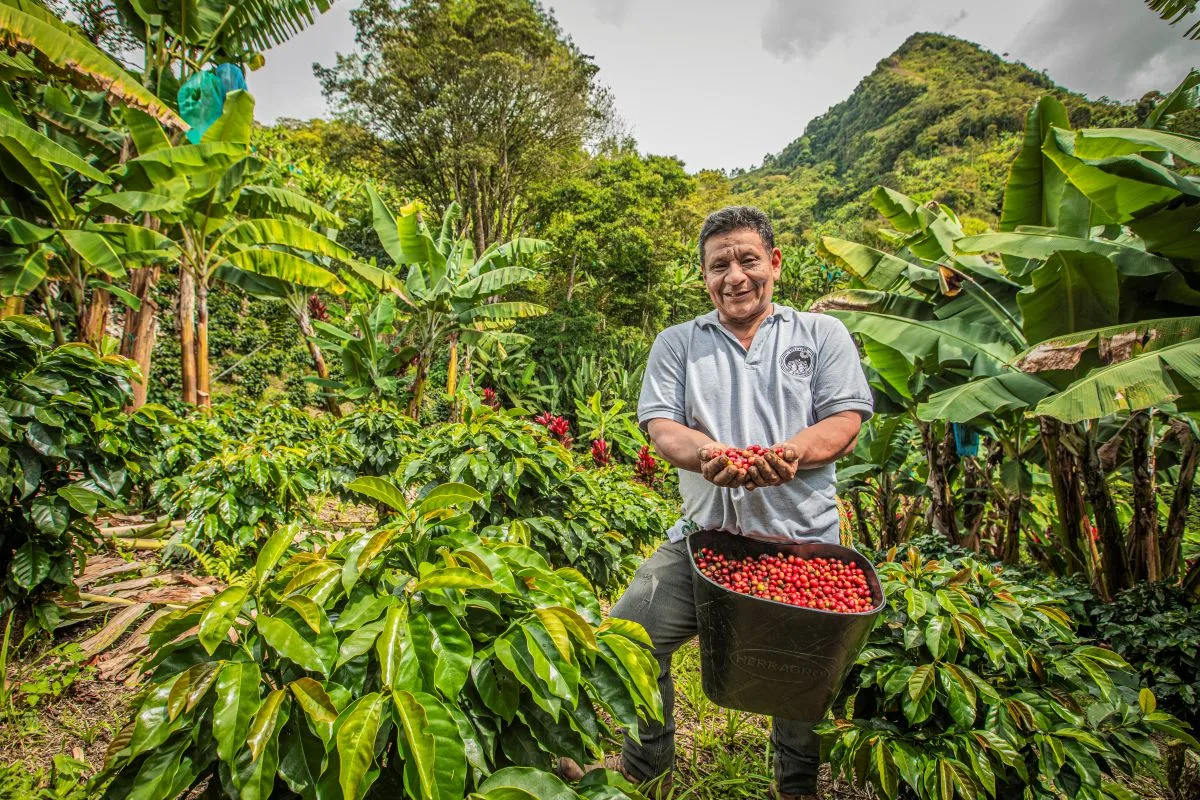
The positive progress Finlays achieved in 2025 includes a 26 percent reduction in Scope 1 and 2 emissions over the past three years; 100 percent of made tea and green leaf tea traceable to factory, garden mark, or farm; 100 percent of soluble coffee traceable to mill; 75 percent of its global workforce paid a living wage or higher; 93 percent of waste recycled, recovered, or reused; and the launch of a ‘Carbon Removal Project’ at Finlays Argentina to significantly reduce forest, land, and agriculture (FLAG) emissions and improve biodiversity data.
Yalley-Ogunro observes that “We made good progress against our targets last year, but pressure is mounting and we know we need to move faster. Our focus in 2026 is to increase the pace of change across all three pillars of Sustainable Future 2030 – embedding sustainability more deeply into how we operate, make decisions, and work with others. The challenges facing our industry will not wait, and neither will we.”
As Finlays approaches 2030 and its environmental targets, its sustainability ambitions and efforts to get there are higher than ever.
With a goal to advance human rights to empower all, Finlays is steadfast in its determination to be a business where people are valued and treated fairly. It is encouraging growth and development to create a future where protecting the planet to safeguard natural beverages is commonplace.
This article was produced by the editorial team at EME Outlook and published as part of the Outlook Publishing global network of B2B industry magazines.
Outlook Publishing delivers industry insights, company stories, and sector coverage across manufacturing, mining, construction, healthcare, supply chains, food production, and sustainability.
EME Outlook provides ongoing coverage of organisations and developments shaping industries across Europe and the Middle East.